
Best Beaches in Seattle by Activity, Setting, and Access
Choose Alki for an urban beach day, Golden Gardens for sand and sunsets, Discovery Park for quiet nature, or a Lake Washington beach when swimming is the point.
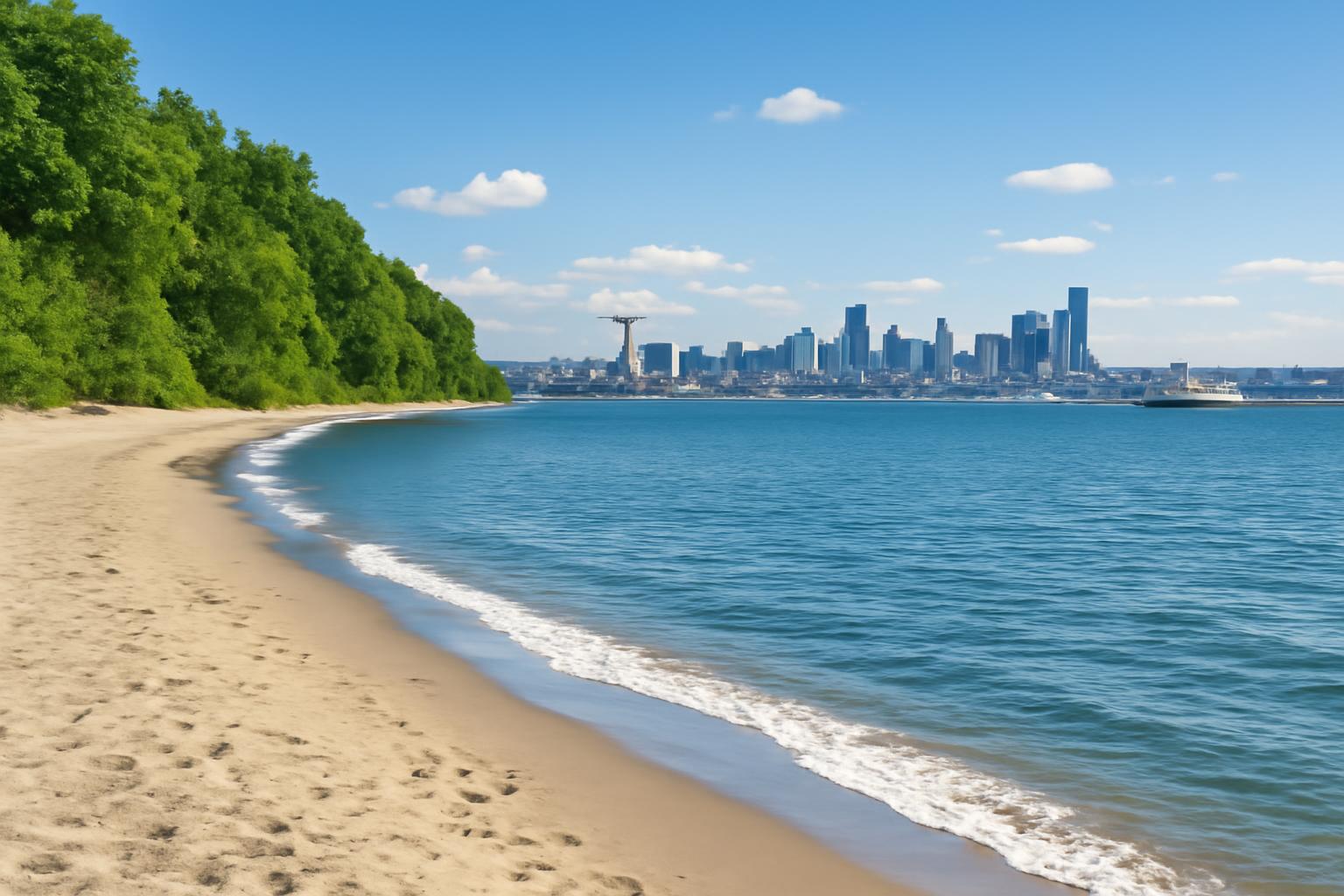
Overview
Seattle has no single best beach, because the city’s beaches split into two different products: saltwater Puget Sound shorelines built for scenery and activity, and freshwater lake beaches built for designated summer swimming. Pick Alki for an urban beach day, Golden Gardens for sand and sunsets, Discovery Park for quiet nature, and a Lake Washington beach such as Matthews, Madison Park, or Magnuson if swimming is the point.
That split is why published rankings disagree. Lonely Planet puts Golden Gardens and Discovery Park at the top of its 12-beach list, Tripadvisor travelers rank Alki first, and a reader poll of 13 city beaches spreads its praise across seven spots. None of these sources applies one scoring method, so this guide compares beaches on five criteria instead: water setting, strongest use case, family suitability, supported amenities, and known access constraints.
One scope rule first. This comparison covers beaches within Seattle city limits. Bainbridge Island, which Lonely Planet recommends as a ferry trip across the Sound, and the shorelines south of downtown that the Seattle Southside guide covers are regional day trips, not finalists here.
Use this matrix to shortlist, then read the profiles for tradeoffs.
| Beach | Water setting | Strongest use | Key supported features | Access note |
|---|---|---|---|---|
| Alki Beach | Puget Sound (Elliott Bay) | Urban beach day | Boardwalk-style path, skyline views, traditional beach atmosphere | Check current transit options and schedules before you go |
| Golden Gardens | Puget Sound | Sand, sunsets, flexible day | 95-acre park, sandy beach, paddling rentals nearby, Burke-Gilman trail endpoint | No good downtown transit option per Prof. Cruise; verify current routes |
| Discovery Park | Puget Sound | Nature, trails, solitude | 534 acres, miles of trails, beachcombing, kids’ play area | Check current transit routes and schedules to Discovery Park |
| Matthews Beach | Lake Washington | Family swimming | Sheltered, shallow swim beach (largest in the city), dock, playground | Seasonal lifeguards; confirm dates with Seattle Parks |
| Madison Park Beach | Lake Washington | Swimming | Roughly 400-foot beach, floating dock with two diving boards | Lifeguards on set summer hours only |
| Magnuson Park | Lake Washington | Swimming plus recreation | Picnic facilities, restrooms, courts, kayak launch, lots of parking | Large park; plan for a walk to the water |
| Lincoln Park | Puget Sound | Family outing with trails | Forest trails, heated outdoor saltwater pool, playground | Pool and amenity status is seasonal; verify |
| Pocket Beach | Puget Sound | Quiet views near downtown | Small sand beach, Olympic and skyline views | Inside Myrtle Edwards Park |
| Carkeek Park | Puget Sound | Beach-and-trail combination | Bluff trails with beach views, ravine trail | Residential north-end location; verify parking |
Where a cell is silent on hours, lifeguard dates, or accessibility, treat that as unverified rather than fine. The final section tells you exactly what to check before you leave.
Seattle’s best beaches, with the tradeoffs
The profiles below cover the beaches that recur across the editorial, traveler, and reader-selected sources. Alki, Golden Gardens, and Discovery Park appear in nearly every list, but each wins for a different reason, so ranking them against each other tells you less than matching one to your outing. Each profile names the strongest use case first, then the tradeoff that should push you elsewhere. Nothing here is a live-status claim. Hours, lifeguards, fires, and water quality change seasonally, and the pre-departure section covers how to verify them.
Alki Beach for an urban waterfront day
Choose Alki when you want a full beach-town day rather than a quiet shoreline. In the Seattle reader poll, one respondent, Chris Barnes, called it “the most traditional beach atmosphere in the city,” and Visit Seattle describes a lively boardwalk vibe on Elliott Bay that draws dog walkers, bikers, and skaters, with direct downtown skyline views. Tripadvisor travelers rank it first among Seattle beaches. If your group wants to walk, wheel, people-watch, and still put towels on sand, this is the strongest fit.
One expectation to set: Alki is a long shoreline, and descriptions of its surface vary by segment. The traditional sand-beach praise applies to the main beach, so if soft sand for lounging or kids matters, plan to set up there rather than assuming the whole strip matches.
The access story is Alki’s other advantage. If you want to arrive car-free, check current car-free options and schedules with the relevant transit operator before you go. The tradeoff is the atmosphere itself. Alki is an active, urban beach. If you want solitude or a natural shoreline, Discovery Park or Carkeek is the better call.
Golden Gardens for sand, sunsets, and a flexible beach day
Choose Golden Gardens when sand is the priority and you want one park that can flex between a quiet afternoon and an active gathering. Lonely Planet describes it as a 95-acre beach park with sandy beaches north of Shilshole Bay Marina, and Visit Seattle says it works “whether you’re seeking solitude or lots of action,” with sunset cookouts, bike rides, and relaxed paddles. Tripadvisor reviewers add that the mix of beach sports, barbecue areas, and plentiful parking suits adults and children alike.
The connections around the park extend the day. Visit Seattle notes that the Burke-Gilman Trail ends at Golden Gardens, which makes it a natural finish line for a bike ride, and that Ballard Kayak and Paddleboard rents at Shilshole Bay Marina next door if you want time on the water.
Two tradeoffs. First, the dual character cuts both ways: the same park that supports a peaceful weekday visit can be busy and social when conditions favor sunset gatherings, so match your timing to the atmosphere you want. Second, access from downtown is the weakest of the big three. Prof. Cruise reports there is no good public transportation option from downtown and recommends driving or a ride-share. Beach fire rules also change seasonally, so verify current fire permissions with Seattle Parks before planning a cookout around one.
Discovery Park for trails, wildlife, and a natural shoreline
Choose Discovery Park when the beach is the destination at the end of a walk, not the parking lot. At 534 acres, Visit Seattle identifies it as the city’s largest park, occupying most of the former Fort Lawton army base, and says it appeals to nature and history lovers and people seeking solitude. Lonely Planet ranks it second on its citywide list and highlights several miles of safe trails, strong beachcombing, and a kids’ play area.
The defining tradeoff is effort for solitude. Reaching the shoreline here is a walking-oriented outing through a large park rather than a tailgate-style beach day. That effort is exactly what filters the crowds and produces the quieter, more natural shoreline the sources describe. If your group includes people who cannot or do not want to walk far, or you are hauling coolers and umbrellas, pick Golden Gardens or Alki instead and save Discovery Park for a lighter-load day.
Access from downtown is workable without a car. Verify current transit routes, stops, and schedules before relying on any connection. Confirm the current route and schedule before relying on it, since transit details change. Discovery Park is also not a designated swimming beach, so treat the water as scenery, not a swim destination.
Matthews Beach, Madison Park Beach, and Magnuson Park
Choose one of these three Lake Washington beaches when swimming is the main event, then pick among them by group and setting.
Matthews Beach is the family default. Visit Seattle describes its sheltered, shallow swim beach as the largest in the city, with a floating dock, lifeguards, changing rooms, and a playground. Shallow, sheltered water plus changing rooms is the combination that matters most with young kids, and no other beach in the sources matches it as directly.
Madison Park Beach is the swimmer’s pick. The reader poll describes a grassy park sloping down to an approximately 400-foot beach with a designated swimming section, a floating dock you can swim out to and jump from its two diving boards, and lifeguards on duty for set summer hours. If your group wants real swimming, dock jumping, and a compact neighborhood setting, this is the fit.
Magnuson Park is the swim-plus-everything option. Lonely Planet calls it home to one of the best swimming beaches in Seattle, on the Lake Washington shore, with picnic facilities, restrooms, basketball hoops, volleyball nets, lots of parking, and space to spread out. A canoe and kayak launch and a renovated playground with equipment for children of all ages and abilities round out a park that can absorb a large mixed group.
The shared caveat: lifeguard coverage is seasonal where it is offered and must be confirmed separately for each beach, and Seattle Parks controls the current list of staffed beaches and dates. Treat any editorial description of lifeguards as historical until you confirm it for your date.
Lincoln Park for trails and a family outing
Choose Lincoln Park in West Seattle when your family wants a beach day that is not really about the beach. Lonely Planet calls it one of Seattle’s most underrated parks, combining forest trails, an outdoor heated swimming pool, and scenic shoreline. Visit Seattle is more specific about why families rate it: the amenities, headlined by an Olympic-size heated saltwater pool with a waterslide and diving boards.
That pool changes the calculation. Puget Sound water is cold, and Seattle’s designated lifeguarded swim beaches are all on Green Lake and Lake Washington, so Lincoln Park is the one Sound-side park in this shortlist where reliable warm-water swimming is plausible, in the pool rather than the Sound. Kids get a slide and diving boards, adults get bluff and forest trails, and everyone gets shoreline to walk.
The tradeoff is that the pool is a seasonal facility, and none of the supplied sources verifies its current hours, fees, or operating status. If the pool is the reason you are choosing Lincoln Park, confirm it is open on your date through Seattle Parks before committing, or you will arrive with a trails-and-shoreline day when you promised a swim.
Pocket Beach and Carkeek Park for quieter alternatives
Choose these two when you want lower intensity than the headline beaches.
Pocket Beach sits inside Myrtle Edwards Park, and Lonely Planet describes it as one of the smaller and less crowded beaches in the city, a peaceful spot to sit on the sand with views of the Olympic Mountains, the Space Needle, and the downtown skyline. That view list is unusual: no other beach in the shortlist frames mountains and skyline from a quiet sand pocket this close to the city center. It is the right pick for a short, low-effort decompression stop, not a full-gear beach day.
Carkeek Park is the beach-and-trail combination in the city’s northwest. Visit Seattle highlights the North and South Bluff trails for sweeping beach views and the Piper’s Creek Trail winding through a lush ravine. Pick it when half your group wants a proper walk and half wants shoreline time, and you want both in one park without Discovery Park’s scale.
The tradeoff for both is amenities. Neither is documented in the sources as a swimming, playground, or picnic-facility destination, so treat them as scenery-first choices and bring what you need.
Best beaches for swimming and families
If swimming or a family day is the goal, the decision narrows fast, and it narrows toward fresh water. Seattle’s designated, lifeguarded swimming happens at lake beaches, while the famous Puget Sound beaches are better treated as shoreline destinations. The three subsections below cover where designated swimming actually exists and when lifeguards are on duty, which parks combine the family features that matter beyond the water, and why the lake-versus-Sound distinction should drive the whole choice. Get this split right and the rest of the shortlist sorts itself.
Designated swimming beaches and seasonal lifeguards
Start with the official baseline. Seattle Parks & Recreation offers free swimming at up to 9 lifeguarded swimming beaches on Green Lake and Lake Washington from Memorial Day weekend until Labor Day. That single sentence carries three planning rules: the designated swim beaches are on lakes, not Puget Sound; lifeguard coverage is seasonal, not year-round; and “up to 9” means the staffed list can vary, so the current Seattle Parks page controls over any editorial description, including this one.
Within that lake system, the shortlisted options divide by group:
- Matthews Beach for young kids, with the city’s largest sheltered, shallow swim beach plus a dock, changing rooms, and playground (Visit Seattle).
- Madison Park Beach for confident swimmers, with a designated swim section, a floating dock, two diving boards, and lifeguards on set summer hours (Seattle reader poll).
- Magnuson Park for big mixed groups, pairing one of the city’s best swim beaches with courts, picnic facilities, and lots of parking (Lonely Planet).
Seattle Parks adds two rules that apply at every beach. Swim in lifeguarded areas when possible, and children younger than 10 must have a responsible adult supervising them at all times. Beaches can also be ordered to close temporarily if water quality testing shows high bacteria or toxic algae, which is why the pre-departure checks later in this guide are not optional extras. If you are choosing a beach specifically for swimming, confirm the lifeguard schedule and water status for your exact date before you commit the group.
Family-friendly choices beyond the water
For a family outing, the water is only half the decision. The features that rescue a beach day with kids are sheltered swimming, a playground, restrooms or changing rooms, picnic space, sand to dig in, and parking that does not start the day with a fight. Judged on that set, three parks stand out in the sources.
Matthews Beach covers the swim-focused version most completely. Visit Seattle documents the sheltered, shallow swim beach, floating dock, seasonal lifeguards, changing rooms, and playground in one place, and describes Lake Washington’s beaches overall as having a casual family vibe built around swimming and picnics. If your kids are young and the day is about the water, choose Matthews and stop optimizing.
Golden Gardens covers the flexible version. Tripadvisor reviewers describe a mix that suits adults and children alike, with beach sports, barbecue areas, a nature setting, and tons of parking. It is the pick when the family day is about sand, games, and a cookout more than swimming, since it has no designated lake-style swim area.
Lincoln Park covers the mixed-ages version. Forest trails for adults and older kids, shoreline to explore, and Visit Seattle’s headline amenity, the heated saltwater pool with waterslide and diving boards, give every age something. Verify pool status first, since it carries the swim value of the whole outing.
Lake beaches and Puget Sound beaches offer different experiences
The single most useful distinction in this whole comparison is fresh water versus salt water. Seattle’s lake beaches, on Lake Washington and Green Lake, are where the city concentrates designated swim areas, docks, and its up to 9 seasonally lifeguarded beaches, per Seattle Parks. Visit Seattle describes Lake Washington as warm and casual, oriented around swimming, picnics, and families. A lake beach day is a swim day.
Puget Sound beaches sell a different outing. Alki, Golden Gardens, Discovery Park, Lincoln Park, Pocket Beach, and Carkeek offer sand, views, trails, paddling, and tidal shoreline, but none of them appears in the city’s lifeguarded swim-beach system. Treat the Sound as a place to walk, paddle, beachcomb, and watch sunsets, with wading as the realistic water contact.
One warning applies everywhere, and it is worth quoting because sunny weather makes people forget it. Seattle Parks states plainly: “cold water can kill, even on hot summer days,” and advises staying close to shore and resting if you are cold or tired. Warm air does not mean warm or safe water, in the lakes and especially in the Sound. Choose the water type for the outing you actually want, then respect it.
Best beaches by activity and atmosphere
If you already know the activity, choose the setting to match it rather than defaulting to the most famous name. Seattle’s beach parks divide cleanly into two moods: active parks built for movement, games, paddling, and group picnics, and quiet parks built for trails, wildlife, views, and low-tide exploring. The reader poll captured the active side well, with respondents listing sand play, volleyball, kayaking, walking, and biking as the reasons they love their beaches. The two subsections below sort the shortlist along that active-versus-quiet line so you can pick in one pass.
Walking, paddling, volleyball, and picnics
For an active day, three parks cover nearly every option, and the right one depends on your activity’s shape.
Alki is the walking and wheeling choice. Visit Seattle’s description of a lively boardwalk atmosphere for bikers, skaters, and dog walkers, backed by downtown skyline views across Elliott Bay, makes it the default for a long flat shoreline outing where the movement is the point. The reader poll’s mentions of biking and walking cluster naturally here.
Magnuson is the games-and-picnic choice. Lonely Planet documents volleyball nets, basketball hoops, picnic facilities, restrooms, plenty of parking, and space to spread out on the Lake Washington shore, plus a canoe and kayak launch if part of the group wants water time. It is the strongest single venue for a large gathering that mixes sports, food, and a swim.
Golden Gardens is the paddle-and-cookout choice. Per Visit Seattle:
- Relaxed paddles, with Ballard Kayak and Paddleboard renting at Shilshole Bay Marina next door
- The Burke-Gilman Trail ending at the park, making it a ride destination
- Sunset cookouts on the sand, subject to current fire rules
Match the venue to the activity’s center of gravity: movement means Alki, games and picnics mean Magnuson, paddling into a sunset means Golden Gardens.
Quiet scenery, trails, wildlife, and low-tide beachcombing
For a quiet day, rank the options by how much walking you want to trade for solitude.
Discovery Park sits at the high-effort, high-reward end. Visit Seattle says the 534-acre former Fort Lawton site appeals specifically to people seeking solitude, and Lonely Planet highlights several miles of safe trails and some of the city’s best beachcombing. The walk to the shoreline is the price and the filter.
Carkeek is the mid-effort option. Visit Seattle’s North and South Bluff trails deliver sweeping beach views and the Piper’s Creek Trail runs through a ravine, so you can combine a real walk with shoreline time without Discovery Park’s scale.
Pocket Beach is the low-effort option. Lonely Planet calls it one of the city’s smaller and less crowded beaches, a peaceful sand pocket with Olympic Mountains, Space Needle, and skyline views. The reader poll’s praise for beaches offering “a surprising pocket of peace and wildlife viewing,” where you can “sit and think, walk, watch boats and birds and the occasional otter,” captures exactly this kind of visit.
Golden Gardens earns a mention here too, since Visit Seattle notes it can serve solitude as readily as action, particularly outside gathering hours.
For beachcombing, timing beats location. Prof. Cruise’s Seattle beach guide reports that arriving at low tide exposes an abundance of sea life: anemones, urchins, barnacles, crabs, sea lettuce, and even an occasional octopus. The same Puget Sound beach is a plain shoreline at high tide and a tidepool field at low tide, so check a tide table and schedule the visit around the low, not around lunch.
Getting to Seattle beaches from downtown
If you are starting downtown without a car, your realistic shortlist is Alki and Discovery Park, and the evidence supports exactly those two.
Alki has the cleanest documented car-free option. Consult the current operator information for car-free routes to Alki before you go, since routes and schedules change. For a visitor staying in the downtown core, this also turns the crossing of Elliott Bay into part of the outing rather than a chore.
Discovery Park has a documented bus connection. Check current routes, stops, and schedules with the transit operator before planning around a specific connection. Pair that with the walking-oriented nature of the park itself and Discovery Park works as a fully car-free nature day, provided you plan for the on-foot distance inside the park.
Golden Gardens is the documented gap. Prof. Cruise states there is no good public transportation option to Golden Gardens from downtown and recommends driving or a cab or ride-share. If Golden Gardens is your pick and you are car-free, price a ride-share both ways before committing, or shift to Alki for a similar sand-and-sunset day with better access.
Be clear about what this section does not cover. The supplied sources give no current trip times, schedules, or transfer details for any of these connections, and no car-free guidance at all for Matthews, Madison Park, Magnuson, Lincoln Park, Pocket Beach, or Carkeek. Absence of guidance is not evidence those beaches are hard to reach; it means you should check current routes yourself. Transit routes, water taxi schedules, and stop locations change, so verify the specific route and departure times on the operator’s current schedule the day you travel, especially for a same-day outing built around a return trip. Treat any published trip-time figure, including in older beach guides, as stale until confirmed.
What to check before you go
Everything above is stable enough to plan around: which beach fits which outing does not change week to week. What does change is the operating layer on top: water quality status, lifeguard staffing, hours, parking, fire permissions, and temporary closures. Seattle Parks confirms that beaches may be ordered to close temporarily when testing shows high bacteria or toxic algae, which means a beach that was the right choice yesterday can be the wrong choice today. Run the three checks below close to departure, in order: water and safety first, operations second, accessibility if anyone in your group needs a confirmed route to the shoreline.
Water quality, cold water, and lifeguard checks
If anyone plans to swim or wade, run this sequence before leaving. It combines Seattle Parks rules with King County’s monitoring guidance, and each step maps to a real closure or risk mechanism.
- Check current beach status. King County Public Health reviews weekly bacteria results during the swim season and recommends closing a beach when illness risk is high. Per its monitoring program, roughly 30 lake swim beaches and about 10 marine beaches are tested weekly in summer. Sign up for alerts at kingcounty.gov/swimbeach, the address Seattle Parks itself points to.
- Check toxic algae separately. King County monitors toxic algae year-round, with peak season spring to fall, and closure recommendations can cover a beach or an entire lake.
- Factor in recent heavy rain. King County Public Health advises staying out of the water for a few days after heavy rain because runoff washes bacteria into lakes; King County Parks’ seasonal guidance states 24 hours after heavy rainfall. The wording differs, so treat 24 hours as the minimum and longer as safer.
- Check for combined sewer overflows. King County advises checking its Combined Sewer Overflow site before swimming, wading, fishing, or boating, and staying out of water near an overflow for 48 hours afterward.
- Confirm lifeguards and respect cold water. Seattle Parks staffs up to 9 lake beaches only from Memorial Day weekend to Labor Day, says to swim where lifeguards are when possible, and warns that cold water can kill even on hot days.
Note the season boundaries too: King County’s bacteria testing runs roughly mid-May to mid-September, so outside that window there is no routine bacteria data, and the rain and overflow rules become your main guide.
Hours, parking, amenities, fires, and temporary closures
The operating details that most often break a beach day are exactly the ones this guide cannot verify for your date, so check them against current official Seattle Parks pages rather than editorial guides, including this one.
Hours and parking come first. Park hours shift seasonally, parking lots can fill or have gated schedules that differ from park hours, and the sources here describe parking capacity (Tripadvisor’s “tons of parking” at Golden Gardens, Lonely Planet’s “lots of parking” at Magnuson) without any current-status guarantee. Restrooms, changing rooms, and showers are seasonal facilities at many parks, which matters most if you are counting on changing rooms at a swim beach like Matthews.
Beach fires deserve a specific check. Fire permissions at Seattle beaches are seasonal, limited to designated locations, and subject to burn bans, so never build an outing around a cookout fire without confirming current rules on the Seattle Parks page for that specific park.
Two rules are stable enough to state outright. Seattle Parks confirms dogs are not allowed on beaches under Seattle Municipal Code 18.12.080, so plan around that rather than testing it. And temporary closures for water quality can appear on short notice, which is why the water checks above come before the packing list.
Confirm accessibility for the route to the shoreline
If anyone in your group needs step-free or mobility-accessible access, verify the route before choosing the beach, because the sources used in this guide do not document accessibility at any of these parks, and this guide will not rank beaches on it without evidence. The gap between “the park has parking” and “you can get from that parking to the actual sand or water” is where beach days fail.
Confirm these items with Seattle Parks for your specific park, by page or by phone:
- Accessible parking stalls and their distance from the shoreline
- The grade and surface of the route from parking to the beach (paved, gravel, sand, stairs)
- A step-free route that reaches the shoreline itself, not just a viewpoint
- Accessible restrooms and changing facilities, and whether they are open in the current season
- Whether any beach-access equipment, such as beach-capable wheelchairs, is available and how to request it
If a park cannot confirm a workable route, switch beaches rather than gambling. The shortlist above has enough overlap in use cases that a confirmed-accessible alternative usually exists for the same kind of outing.