
Seattle's Coziest Coffee Shops for Lingering, Working, and Neighborhood Downtime
Anchorhead is a practical downtown pick for pairs or small groups needing a roomy base between Pike Place, the waterfront and hotel errands.
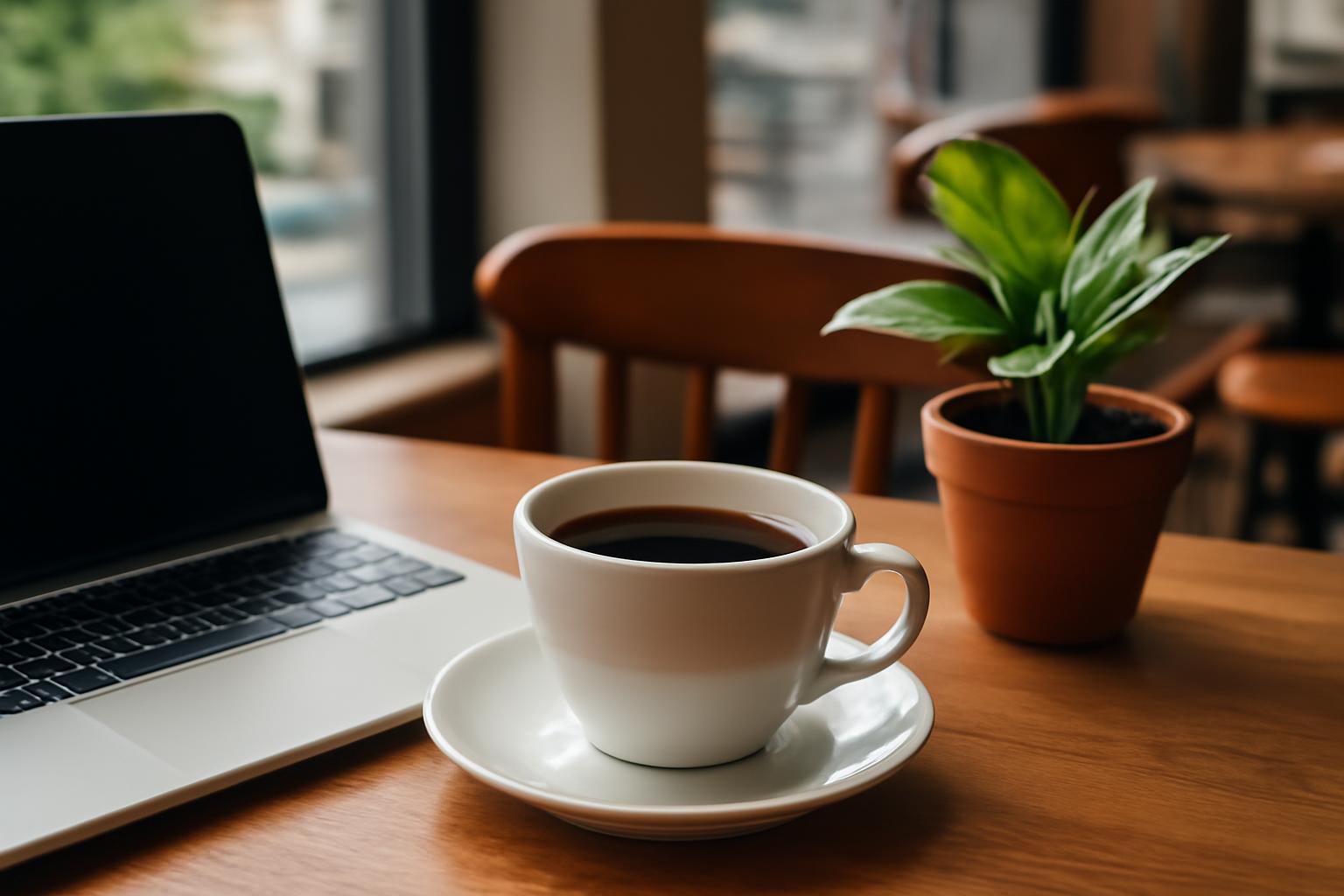
If you’re looking for Seattle coffee shops to sit and stay, the best answers usually are not the most famous cafés or the ones with the loudest hype. They’re the shops that fit the way a short Seattle day actually works: somewhere to dry off after a wet walk, reset between neighborhoods, answer a few emails, read for an hour, or simply watch the city go by without feeling pushed back out the door.
For visitors, that usually means choosing cafés the same way you choose a hotel base: by neighborhood, trip shape, and weather backup. A Capitol Hill stop can fold into lunch, bookstores, and an evening out. A Ballard or north-end stop can anchor a slower afternoon when you don’t want to bounce back downtown. And on a rainy day, a café with real seating becomes part of the itinerary, not just a coffee errand.
A useful caveat up front: Seattle coffee guidance is often built from personal roundups, and conditions can change faster than evergreen “best café” lists admit. One 2020 Seattle guide already noted several once-popular coffee shops as closed, which is a good reminder to verify current hours, status, and laptop norms before you build a day around any single stop (Double Skinny Macchiato’s Seattle coffee guide).
If you want the fast shortlist before the deeper neighborhood guide below, these are the most practical names to keep in mind:
- Gearhouse Coffee for Capitol Hill logistics, later hours, lots of seats, outlets, and WiFi.
- Pilgrim Coffeehouse for the clearest published WiFi test in this review set.
- Zoka Coffee for an all-purpose mix of comfort, outlets, and space.
- Fremont Coffee Company or C&P Coffee Company when you want the most living-room-like linger.
Why Choose Sit-and-Stay Coffee Shops for Your Seattle Trip
Seattle is a city where weather, hills, and neighborhood sprawl can make overplanning backfire. Sit-and-stay coffee shops solve that neatly. They give you indoor fallback space when the forecast turns, they help fill awkward gaps between checkout and dinner, and they let you cluster a day around one walkable area instead of pinballing across town. If you’re still deciding where to anchor your trip, it helps to think in the same neighborhood-first way you’d use when choosing lodging: pick the area that matches how you want to move, then let cafés support that plan. Our guide on how to choose where to stay in Seattle uses the same logic.
That matters most on short trips. Two or three wasted resets can eat a day faster than any museum line: one long transit hop back to the hotel, one wet walk with nowhere comfortable to stop, one café that turns out to be standing-room-only, and suddenly the day feels built around logistics instead of Seattle. A few reliable stay-awhile options, chosen ahead of time by neighborhood, keep the route compact and the schedule loose.
Because coffee coverage is so subjective, it helps to trust overlap first and vibe language second. A personal Seattle roundup is especially useful as a grounding document because it names concrete, stay-relevant details across multiple neighborhoods: Caffé Vita at 1005 E Pike St for a dim interior and covered outdoor seating; Victrola for a brighter setup with window and outdoor seats; Kaladi Brothers at 517 E Pike St for two floors; Espresso Vivace’s Broadway café for sidewalk seating; Zoka at 2200 N 56th St for spacious seating, outlets, and free WiFi; Storyville at 94 Pike St for comfortable indoor seating and views; Fremont Coffee Company at 459 N 36th St for cozy rooms and a wrap-around porch; Anchorhead at 2003 Western Ave for plentiful seating; and Herkimer’s Dexter location as a reminder that some Seattle cafés still close as early as 3 p.m. (Explore Washington State’s Seattle café roundup).
The most reliable way to use that kind of reporting is not to treat any one list as gospel. Instead, use it to identify the shops that repeatedly surface for the same reasons: seating, outlets, WiFi, outdoor backup, late-ish hours, or a room that feels built for lingering instead of turnover. Published speed tests are stronger than vague “great WiFi” claims. A shop’s own amenities page is useful for its stated seat count and hours, but still worth verifying the day you go. Personal reading or remote-work roundups are helpful for atmosphere, but they should be read as informed observations, not guarantees.
The practical takeaway is simple: choose cafés near the neighborhoods you already plan to walk, eat, browse, or transit through. Capitol Hill works especially well if you want lively evenings and lots of nearby options. Ballard-style or north-end days work better if your trip pace is slower and less centered on downtown resets. Either way, the best coffee stop is usually the one that makes the rest of your day easier.
Capitol Hill: Vibrant Spots for Work and People-Watching
Capitol Hill is the easiest neighborhood to recommend for travelers whose ideal day is “leave the hotel, stay out for hours, and improvise.” It’s dense with cafés, food, bars, and short detours, so a coffee shop here often does double duty: workspace in the afternoon, people-watching perch before dinner, or a warm stop between errands.
The main split in Capitol Hill is mood. Caffé Vita is the moodier choice: darker, more atmospheric, and better when you want the neighborhood to feel like part of the experience. Victrola, by contrast, is the brighter option in this evidence set, with a more openly laptop-friendly feel. In the roundup above, Vita is the drizzly-day, covered-outdoor-seating pick, while Victrola is the cleaner fit for window light and casual work sessions.
Kaladi Brothers is the practical middle ground. Across the Seattle work-oriented coverage in this review set, it comes up as a café that feels built for staying put rather than grabbing a quick drink and moving on. The key reported details are the two-floor setup and a room that reads more artsy than corporate, which makes it a better study or low-pressure laptop stop than a showpiece espresso bar. It’s one of the more credible Capitol Hill answers if you want a neighborhood café where an hour or two doesn’t feel out of place.
Espresso Vivace is better treated as a shorter-stay classic than a deep-work bunker. What makes it memorable is not “best remote work setup,” but the fact that its Broadway presence works so well for a pause in the middle of a Capitol Hill wander. In The Seattle Times’ reading-focused café guide, the Broadway location is presented as a cozy choice, and the broader Seattle roundup above also notes the sidewalk-facing, people-watching appeal. That makes Vivace especially good when your goal is to sip, settle briefly, and absorb the street rather than disappear into a spreadsheet.
Then there’s Gearhouse Coffee, which is the clearest Capitol Hill option if you care as much about logistics as atmosphere. On its own amenities page, the business says the shop offers 80 chairs and couches, plenty of outlets, fast WiFi, and hours of 7:30 a.m. to 8 p.m. weekdays and 7 a.m. to 7 p.m. weekends; it also places itself two blocks from Capitol Hill light rail, about a 5-minute walk. Those are unusually strong stay-awhile traits for Seattle, especially if you need actual seating depth rather than just a photogenic room (Gearhouse Coffee’s amenities and hours).
So how should a visitor choose among them? Use Caffé Vita or Vivace when the neighborhood itself is part of the point and you want a stop with some street life. Use Kaladi when you want a steadier sit in a less performative room. Use Gearhouse when the decision is mostly practical: you need seats, outlets, WiFi, and a closing time that doesn’t wreck an evening work block.
That last distinction matters more in Capitol Hill than almost anywhere else in Seattle. The neighborhood gives you so many adjacent options that it’s easy to mistake “a famous café in a lively area” for “a reliable place to stay for two hours.” Sometimes those overlap. Sometimes they don’t. Capitol Hill rewards being honest about what you need that day: atmosphere, people-watching, or actual staying power.
Ballard and North Seattle: Spacious, Productive Havens
Ballard and the north end reward a different pace. These are better coffee zones for travelers who like to wander longer, rush less, and sit somewhere that feels a little removed from the densest tourist traffic. The tradeoff is obvious: you’re farther from the downtown core, but often closer to the kinds of cafés where lingering feels normal rather than tolerated.
Fremont Coffee Company sits right in that sweet spot for comfort-first travelers. In the overview cited earlier, it’s the cozy north-of-downtown option with multiple snug indoor rooms and a wrap-around porch. That gives it a more house-like personality than a typical productivity café. If many Capitol Hill shops feel outward-facing and social, Fremont Coffee Company feels more domestic. It’s especially good when you want your coffee break to feel like part of the day’s atmosphere, not just a utility stop.
In Zach Taiji’s personal remote-work guide, Pilgrim Coffeehouse at 10002 Aurora Ave N Ste 22 is listed with 115 Mbps download / 96 Mbps upload, a no-time-limit setup, and ample seating. The same guide lists Woodland Coffee at 1417 NW 54th St #101 with 44 Mbps download / 55 Mbps upload and notes it as dog-friendly. Those are still snapshots from one reviewer rather than permanent guarantees, but they’re much more concrete than the average “good WiFi” claim (Zach Taiji’s Seattle remote-work guide).
It sits closer to the Ballard orbit, and the dog-friendly note matters if you’re traveling locally with a pup or meeting someone who is.
Bauhaus Coffee, at 2001 NW Market St, is a simpler recommendation. That makes it a good fit when you want a straightforward, no-drama work stop in Ballard without having to chase benchmarked WiFi numbers or unusually detailed amenities reporting (Seattle Coffee Scene’s work-friendly café roundup).
This part of Seattle is where the distinction between “coffee shop as destination” and “coffee shop as support stop” becomes useful. In Ballard and North Seattle, the café is often the anchor of the afternoon. You go there to stay, then build the rest of the neighborhood around that pause. In Capitol Hill, it’s easier for the coffee stop to be one segment of a busier loop. Neither is better. They just suit different trip shapes.
If you’re trying to decide between bases, that’s the clearest contrast. A Ballard or north-end day is stronger when you want one long sit surrounded by a slower wander. A Capitol Hill day is stronger when you want more variety packed into a smaller radius.
Green Lake, Fremont, and U-District: Relaxed Reading Zones
This cluster works well for travelers who want coffee shops that feel less performative and more settle-in friendly. It’s mostly a north-side section, but with one downtown scenic exception worth remembering if your day later folds back toward Pike Place. The common thread is not geography alone; it’s the kind of stop you use for reading, quiet laptop work, or a longer exhale between walks.
The recurring details matter: in the broader Seattle roundup it shows up for spacious seating, outlets, and free WiFi, while The Seattle Times’ cozy-café list adds the more tactile part of the picture, describing the Green Lake/Tangletown shop as having a dark-academia-adjacent mood with armchairs and a reading-friendly feel. That combination is what makes Zoka especially useful: it works for both comfort and function, rather than forcing you to choose between them (The Seattle Times’ cozy café guide).
For a quieter, more explicitly work-oriented option, Brown Study near the U-District is one of the few places in this evidence set described in the language remote workers actually care about. In Mel Parsons’ 2026 North Seattle guide, Brown Study is framed as library-quiet with high-speed WiFi and plentiful outlets. That source is still a commercial realtor blog rather than formal reporting, so it should be read as a strong lead rather than a final verdict.
If you’re already in Fremont, Fremont Coffee Company remains the cozier, less task-oriented nearby answer. It’s the shop to choose when you’d rather read than optimize. And if your north-neighborhood day later bends back downtown, Storyville Coffee is the out-of-cluster exception worth bookmarking: in the overview above it’s presented as a comfortable indoor stop with views, which makes it a strong scenic pause even though it is not geographically part of Green Lake, Fremont, or the U-District.
The main tradeoff here is that not every shop is equally good at everything. Zoka is the best all-rounder. Brown Study is the better bet if concentration matters most. Fremont Coffee Company is about coziness more than efficiency. Storyville is about comfort and setting. If you choose by use case instead of by generic “best café” energy, this section becomes much easier to use.
There’s also a weather advantage to this group. When the forecast is messy and you want to keep your day from feeling chopped up, north-side reading cafés can be better than central, high-turnover stops. They absorb awkward time well. That is often the difference between a rainy Seattle day that feels atmospheric and one that feels stalled.
Pioneer Square and Downtown: Urban Work-Friendly Picks
Downtown Seattle cafés can be trickier for long stays because the neighborhood mix is broader: tourists, office workers, conference attendees, and people in transit all collide in the same few blocks. But if you choose carefully, downtown and Pioneer Square still offer solid sit-and-stay options.
Seattle Coffee Scene presents Zeitgeist as a good place for studying or blogging, and Cherry Street as a café with quieter corners and table space. Neither is framed as silent or secluded; the point is that they behave like places where staying awhile feels normal, even in a busier urban setting (Seattle Coffee Scene’s downtown and Pioneer Square recommendations).
Anchorhead plays a different role. In the earlier citywide roundup it’s described as spacious with plenty of seating, and a separate 2020 visit report describes the downtown Seventh Avenue location as a large, busy shop that works as a meetup point near the convention area. That makes Anchorhead a particularly practical downtown pick when you need a regroup stop for pairs or small groups, or a roomier base between Pike Place, the waterfront, and hotel errands.
The key with downtown is expectation-setting. You’re usually trading some coziness for convenience. These shops are at their best when you need a productive base between central Seattle stops, not when you’re chasing the city’s most intimate reading room. If your priority is “warm place to land with a laptop and not feel hurried,” downtown can work. If your priority is “quiet neighborhood cocoon,” the north end or west side usually does it better.
Still, there are plenty of trips where downtown convenience wins. If you’re staying centrally, arriving by ferry, working around a convention schedule, or trying to keep everything walkable, a dependable urban café often beats a theoretically cozier neighborhood detour that adds forty minutes of transit friction.
West Seattle and South: Cozy Outposts for Local Vibes
If you want a coffee stop that feels distinctly neighborhood-first, West Seattle and the south side do that better than the central core. This section is a little broader in spirit than the compass label suggests: C&P Coffee Company and Empire Roasters fit the West Seattle and south-city geography directly, while Yeobo Cafe belongs here because it matches the same soft-seating, settle-in use case even though it sits on E. Madison.
The strongest cozy-source overlap here comes from The Seattle Times’ reading-focused café guide. That article groups C&P Coffee Company at 5612 California Ave. S.W. as a living-room-style café with couches; Empire Roasters at 3829 S. Edmunds St. as a multi-level shop with a rooftop or sunroom feel; and Yeobo Cafe at 2332 E. Madison St. as a place with couches and armchairs. The common denominator is obvious: these are not “sip at a narrow counter and move along” cafés. They are shops where soft seating is part of the appeal (The Seattle Times’ cozy café picks).
It comes up in both the Seattle Times piece and older work-friendly Seattle coverage as a house-like café where a long sit feels natural. That does not necessarily make it the strongest remote-work choice if you need top-tier internet or a grid of outlets. It makes it the best fit when you want your break to feel local, unhurried, and genuinely cozy.
Empire Roasters is the more exploratory choice. Multi-floor seating gives you some flexibility in how you stay, and the rooftop or sunroom element gives it more spatial variety than a single-room neighborhood café.
The caution here is not quality but geography. These are good cafés, but they work best when they already match your day. A West Seattle afternoon, a Columbia City wander, or a Madison-area stop can justify them easily. Crossing the city just to sit on a couch usually doesn’t.
That neighborhood-fit rule is one of the most useful themes in this whole guide. Seattle rewards clustering. A very good café in the wrong part of the city can make a short trip feel fragmented. A merely good café in exactly the right place can make the whole day smoother.
Key Features for Lingering: WiFi, Hours, and Caveats
When people say a coffee shop is “good for staying,” they usually mean a bundle of things rather than one feature: enough seating that you don’t feel guilty occupying a stool, enough outlets that you can stay productive, ambient tolerance for reading or laptop work, and hours that don’t end your plan at midafternoon.
On WiFi, the evidence is uneven. Many guides say shops have WiFi; only a few publish actual numbers. In this review set, the clearest hard data comes from the remote-work guide that tested Pilgrim Coffeehouse at 115/96 Mbps and Woodland Coffee at 44/55 Mbps. That doesn’t mean other cafés are weak. It means those two are unusually well-documented, and that matters if your coffee stop also has to handle uploads, meetings, or a long work block.
Outlets are similarly important, but usually reported impressionistically rather than comprehensively. Zoka and Gearhouse stand out because the reporting gets specific: Zoka is repeatedly associated with spacious seating, free WiFi, and outlets, while Gearhouse explicitly advertises plenty of outlets alongside its large seat count and later closing time. That is much more useful than a generic “good place to work” label.
Hours can be the real make-or-break detail. Travelers often assume a comfortable café will also be open later, and Seattle does not always cooperate. In the citywide roundup cited earlier, Herkimer’s Dexter location is noted as closing at 3 p.m., which is exactly the kind of detail that can wreck a rainy afternoon plan. By contrast, Gearhouse’s stated 8 p.m. weekday close gives it a different role in the city: one of the few coffee-forward spots in this guide that plausibly covers the gap between late afternoon and dinner.
This is also where freshness and source quality matter most. Vibe descriptions such as “cozy,” “bright,” or “good for work” are inherently subjective, and several sources in this evidence set are personal blogs, a realtor guide, or a business’s own page. Those can still be useful, especially when multiple sources overlap or when a source publishes specific numbers. But they should be read as reported traits, not promises.
A broader neighborhood-first Seattle approach helps here too. If you already think in clusters instead of one-off destinations, café uncertainty matters less. Build around one primary shop and one backup in the same area, and you won’t have to rebuild the whole day if the first one is full, louder than expected, or closed. That same “move in clusters” logic is central to Seattle Know’s trip-planning approach.
Matching Shops to Your Neighborhood Base and Weather Plan
The easiest way to use these recommendations is to choose by base first, then café type.
If you’re based in Capitol Hill, lean into density. This is the best part of the city for a day that starts late, stays flexible, and ends near food or bars. Use Caffé Vita, Vivace, or Victrola when the neighborhood atmosphere is part of the point. Use Kaladi when you want a steadier sit. Use Gearhouse when you need the most reliable mix of seating, outlets, later hours, and transit convenience.
If you’re based in Ballard or planning a slower north-of-downtown day, prioritize cafés that can hold the afternoon. Pilgrim works best when you need the strongest documented internet. Woodland works well when you want solid workability in a friendlier neighborhood context. Bauhaus is the simpler Ballard stop. Fremont Coffee Company is the one to choose when the goal is not productivity metrics but comfort.
For reading-heavy or quiet-weather days, Zoka and Brown Study are especially strong. Zoka is the broader comfort pick; Brown Study sounds stronger for concentration. If your route later folds back toward Pike Place, Storyville is a good scenic decompression stop rather than a deep-work choice.
Outdoor-friendly spots like Espresso Vivace and Caffé Vita are best treated as bonuses when the drizzle cooperates.
For transit-led trips, prioritize cafés that sit naturally inside the movement pattern you already have. Gearhouse is especially useful because its own page places it a short walk from Capitol Hill light rail. Downtown shops make the most sense when they sit between market, ferry, waterfront, hotel, or convention-center movements you were already going to make.
The broader rule is simple: don’t choose coffee shops as isolated destinations unless they are truly the point. The best Seattle linger cafés are usually the ones that reduce friction in the rest of your route.
Which Seattle coffee shops have the best WiFi and outlets for remote work?
Pilgrim stands out because it has the clearest published speed test in this review set, along with a no-time-limit note. Woodland is the better compromise if you want tested WiFi plus a neighborhood feel. The key distinction is that only some of these claims are measured and some are descriptive, so it helps to separate “published speed test” from “reported good work setup” in your expectations.
It repeatedly surfaces for the combination of space, outlets, and free WiFi, which is often enough for mixed reading-and-working sessions even without a published speed test.
Are there dog-friendly coffee shops with seating for staying?
The clearest fit in this guide is Woodland Coffee, which is specifically described as dog-friendly in the same remote-work guide that publishes its WiFi test. That makes it more than a quick dog-stop café; it’s presented as a place where you can also settle in for a while (Zach Taiji’s Seattle remote-work guide).
In practical terms, if you’re traveling with a dog and still want to linger, north-of-downtown spots are usually the safer bet than the busiest central cafés. Even then, seat comfort and crowd level can vary a lot by hour, so it’s smart to treat dog-friendly as one filter, not the only one.
What shops offer outdoor seating for people-watching?
In the broader city roundup, Vita is noted for covered outdoor seating, while Vivace’s Broadway presence is specifically tied to sidewalk seating and street watching (Explore Washington State’s Seattle café roundup).
The weather caveat matters here more than anywhere else. Seattle patio seating is great for people-watching, but it works best as a bonus, not the entire plan. If the forecast is shaky, choose a shop that also has indoor backup.
Which spots stay open late for extended evening sessions?
Seattle is not overflowing with truly late coffee shops, so “open late” often means later than most, not midnight.
Among the clearer evening-friendly options in this evidence set, Eater Seattle’s 2025 remote-work list notes Robin’s in Fremont as open 8 a.m. to 9 p.m. daily and Seasmith on Capitol Hill as open until 9 p.m. That puts both above the city’s many late-afternoon closers. Within this guide, Gearhouse is also useful because its stated weekday hours run to 8 p.m., which already beats a lot of Seattle cafés (Eater Seattle’s remote-work café guide).
If you specifically want an evening laptop session, check hours the same day. This is one of the details most likely to change.
How do I avoid crowded or early-closing shops?
First, go earlier on weekdays when you can. Many of the strongest stay-awhile cafés are popular precisely because they’re comfortable, which means they fill quickly on weekends or around lunch.
Second, use the evidence for crowd risk, not just the praise. The same remote-work guide that rates Pilgrim highly also says it can get especially busy on weekends. That kind of note is more useful than generic enthusiasm because it helps you plan around the café’s strengths instead of being surprised by them.
Third, verify the basics before leaving. Seattle’s coffee landscape changes, and older guides already show that closures happen. The safest strategy is to build each day around one primary café and one backup in the same neighborhood. That way, if one is full, too loud, or unexpectedly closed, you’re not rebuilding the whole trip from scratch.
Seattle coffee shops are easiest to use well when you stop treating them as isolated “must-visits” and start using them as neighborhood tools. Pick the right base, keep a weather backup, and choose shops that match the kind of pause you actually need—work block, reading hour, scenic reset, or people-watching break. That’s usually what turns a short Seattle trip from scattered into easy.