
Pick a Base That Matches How You Will Move
The best base cuts down on backtracking, fits your first-day plan, and keeps food, transit, and your main activity within easy reach each morning.
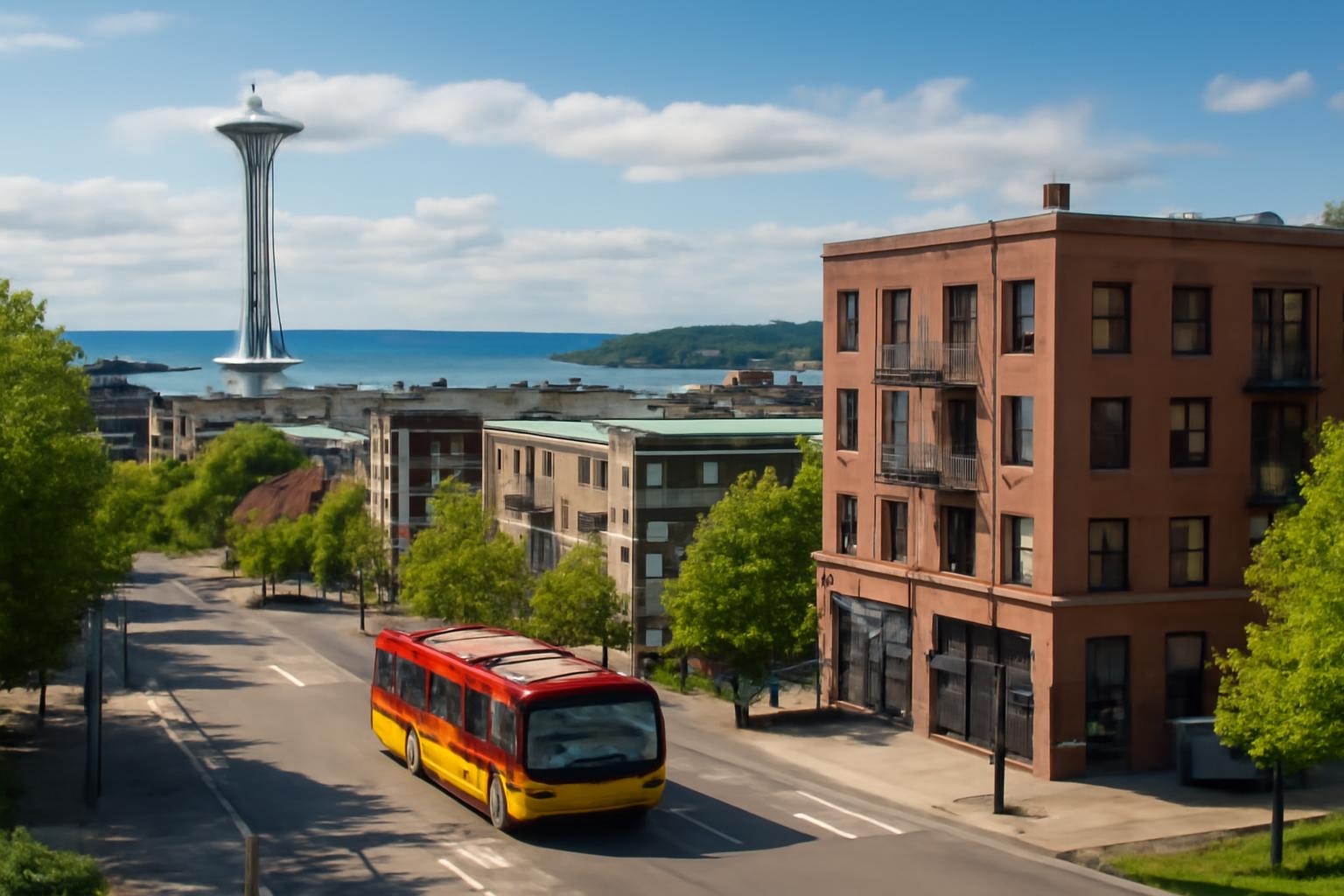
If you want Seattle to feel easy, choose your base by how you will move, not by the prettiest point on the map. The best neighborhood is the one that cuts down on backtracking, lines you up with your first-day plan, and lets you reach food, transit, and your main activity without a long reset each morning.
That usually means deciding among three questions first:
- Do you want to walk most places?
- Do you want the simplest transit connection?
- Do you want your evenings to feel calm, lively, or view-heavy?
Once you answer those, the neighborhood choice gets much easier.
The useful extra question is how much you want to repeat the same trip shape. If you know you will head to the waterfront, a ferry, or the same dinner block more than once, staying closer to that pattern can make the whole stay feel smaller in a good way. You spend less time thinking about logistics and more time deciding what to do next.
The quickest way to choose
For a first or short Seattle trip, start with the neighborhood that matches your main anchor:
- If you want the easiest arrival and departure, stay near the central transit core so you can drop bags quickly and start moving.
- If you want food, bars, and a more neighborhood feel, pick a district with enough blocks to wander after dinner.
- If you want a ferry day to feel simple, stay somewhere that makes the waterfront the obvious first move.
- If you want a quieter base, choose a place that is still connected by transit but not surrounded by the busiest late-night blocks.
The mistake people make is chasing a single “best” neighborhood when the real question is what your day looks like.
Another mistake is mixing a quiet-sleep goal with a nightlife-heavy base. That can work for one night, but over several nights it usually means you are choosing between good evenings and decent mornings. If sleep matters, let that be one of the top filters from the start instead of a late compromise.
What different bases do well
Central, transit-heavy areas
These are the easiest bases when you want to keep the trip compact. They work well if your plan is a mix of market stops, short walks, and one or two big outings. You usually give up a little neighborhood texture in exchange for convenience.
Capitol Hill-style bases
These work well if you want food, coffee, and a day that starts late and ends after dinner. The upside is variety. The downside is that you may spend more time moving between stops unless you keep the plan tight.
Ballard-style bases
These suit travelers who want to feel more local and move at a slower pace. A neighborhood like this is good when your trip is about wandering, eating well, and staying out of the center for part of the day.
Queen Anne-style bases
These are useful when views matter and you want a quieter sleep, but still want easy access to the city. They make sense if your trip includes both scenic stops and a downtown errand or two.
Waterfront-adjacent bases
These are the most obvious pick if a ferry day is one of your priorities. They cut friction before and after the crossing and make it easier to turn the ferry into a relaxed half-day rather than a logistical project.
They also help if your plan is weather-sensitive. When the day is gray or breezy, being close to a water-based stop means you can stay flexible without making the route feel scattered. You can pause, change pace, or return early without rewriting the whole day.
A simple decision rule
Use this rule if you are unsure:
- One-night stay: pick the most convenient base, not the most “authentic” one.
- Two to three nights: pick the neighborhood that matches your main activity.
- Longer stay: pick the base that gives you the best balance of transit and evening options.
That keeps the trip from turning into a commute disguised as sightseeing.
If your trip has a mix of indoor and outdoor stops, favor a base that reduces the number of times you cross the city. That gives you more usable time during short daylight windows and makes it easier to bail out for rest without losing the whole day.
Examples of good fits
If your goal is to see the city, eat well, and maybe take one ferry, choose a base that is easy to reach from the airport and easy to leave in the morning.
If your goal is a neighborhood-heavy trip, choose one area where you can do breakfast, a walk, lunch, and dinner without changing districts twice.
If your goal is a ferry-plus-city plan, choose a base that makes the waterfront the obvious first stop. That way the ferry feels like part of the day, not a separate errand.
If your goal is a relaxed trip in mixed weather, choose a neighborhood with enough indoor stops that a rain shower does not force you to reset the schedule.
What to avoid
Avoid basing the whole trip on one famous landmark area if the rest of your plan is spread out. Famous areas are fine as stops, but they are not always the best sleeping base.
Avoid staying so far outside the core that every move becomes a decision. That saves money on paper and costs time every day.
Avoid choosing a base only because someone else called it “best.” Best depends on your own pace, not a ranking.
If you want to turn that choice into a day plan, read how to plan a ferry day next. If you want the city to work in bad weather, go straight to a Seattle rainy-day neighborhood itinerary.