
When to See Sockeye, Chinook, and Coho at the Locks
Plan for sockeye in late June or early July, Chinook in the final two weeks of August, and coho in the final two weeks of September.
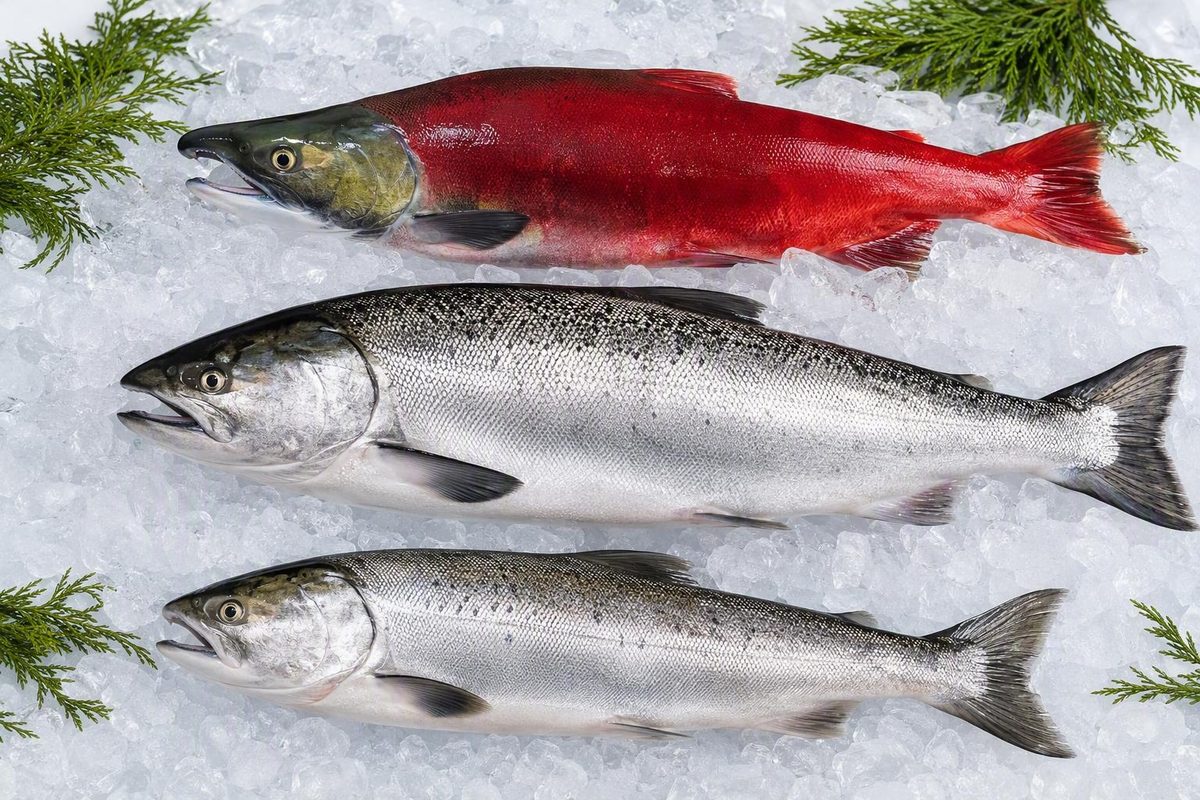
For the best chance of seeing a particular salmon species at the Ballard Locks, plan for sockeye in late June or early July, Chinook during the final two weeks of August, or coho during the final two weeks of September. These are historically favorable windows, not guaranteed viewing dates. Check recent fish counts and access information shortly before making a special trip.
Related: 4 Areas to Explore in Ballard, Washington.
Ballard Locks salmon calendar at a glance
A broad migration season indicates when a species may pass through the Locks. The strongest viewing window is the narrower period to prioritize when choosing a date. The U.S. Army Corps of Engineers’ fish-ladder guidance provides the following migration ranges and best-viewing periods:
| Species and alternate name | Broad migration season | Strongest viewing window | Planning note |
|---|---|---|---|
| Sockeye (red salmon) | June through October | July; visitor guidance describes roughly mid-June to mid-July | Favor late June or early July |
| Chinook (king salmon) | July through November | Final two weeks of August | Best focused late-summer target |
| Coho (silver salmon) | August through November | Final two weeks of September | Best focused early-fall target |
Sockeye timing is best treated as a range rather than a precise peak date. July is the clearest official shorthand, while the Ballard Locks visitor page describes approximately mid-June to mid-July as the peak period. Together, those sources support late June or early July as the most practical target.
The runs overlap rather than occurring in isolated monthly blocks:
- June: Sockeye migration begins.
- July: Sockeye remain the primary target, and Chinook migration begins.
- August: Chinook become the main target, especially late in the month; coho migration also begins.
- September: Coho become the main target late in the month, while Chinook and sockeye may still be migrating.
- October: The broad migration ranges for all three species extend into the month.
- November: Chinook and coho migration ranges continue, while the listed sockeye season has ended.
Being within a broad migration season does not mean fish will be visible during every visit. Use the narrower windows to improve your planning odds.
Choose your visit dates by species
If your itinerary is flexible, choose your date according to the salmon you most want to see:
-
For sockeye, prioritize late June or early July. This falls within the visitor page’s approximate mid-June-to-mid-July peak and close to July, the official best-month shorthand. The wider June-through-October migration season should not be interpreted as equally favorable viewing throughout all five months.
-
For Chinook, prioritize the final two weeks of August. Although their broad migration range runs from July through November, the last half of August is the strongest historical viewing window.
-
For coho, prioritize the final two weeks of September. Coho may migrate from August through November, but the last half of September is the clearest historical target.
If you do not have a preferred species, late summer offers the most overlap. August falls within the broad migration seasons of sockeye, Chinook, and coho, although their strongest windows do not align exactly. Late August favors Chinook; postponing a trip until late September shifts the emphasis to coho.
When you have two possible Ballard days, consider keeping both open until you can review recent counts and access information. That flexibility lets you respond to current conditions without assuming that a peak date—or a second visit—will ensure a sighting.
Check live conditions before making a special trip
Before leaving:
- Review current Washington fish counts.
- Confirm viewing-room access and hours.
- Check for maintenance or closure notices.
- Keep your visit date flexible when possible.
The Ballard Locks visitor page directs readers to Washington Department of Fish and Wildlife daily and annual counts and suggests contacting the visitor center.
The Ballard Locks visitor page reports viewing-room hours of 7:00 a.m. to 9:00 p.m. and a customary fish-ladder maintenance closure of about two weeks around mid-May. For changing access or closure information, also consult current U.S. Army Corps of Engineers information or contact the visitor center.
This is especially important if seeing fish is the primary reason for your visit rather than one part of a broader stop at the Locks.
Do not assume that arriving at opening, visiting near sunset, or selecting a particular tide will reliably improve your chances.
What the fish ladder does—and what visitors can identify
Fish moving between Puget Sound and Lake Washington may pass through the locks, spillway, or fish ladder. The ladder uses 21 steps, or weirs, to create a gradual upstream incline instead of requiring fish to overcome the elevation change at once, according to the U.S. Army Corps of Engineers.
After passing the Locks, salmon continue through connected waterways toward hatcheries or spawning habitat. Ballard Locks visitor guidance describes some of these journeys as approximately 40 to 50 miles upriver.
The most useful supported identification cue concerns sockeye. At the Locks, sockeye are generally still silver in their ocean phase. They develop the vivid red coloration commonly associated with the species later, while traveling through freshwater toward spawning habitat. Visitors expecting every sockeye to be bright red may therefore overlook them.
The seasonal calendar can indicate which species is more likely to be migrating, but season alone does not confirm the identity of an individual fish. No additional Chinook or coho identification rules are established by the cited guidance.
How to interpret annual salmon numbers
The Ballard Locks visitor page reports these approximate historical annual averages:
| Species | Approximate historical annual average |
|---|---|
| Chinook | About 15,000 |
| Coho | About 25,000 |
| Sockeye | Fewer than 20,000 in recent averages |
These figures describe historical scale. They are not live totals, forecasts, or estimates of how many fish a visitor will see. An annual run is distributed across an extended migration period, so activity during the hours of one visit may differ substantially from the full-season total.
Sockeye expectations require particular caution because the same visitor page says their runs have declined sharply. Older photographs, memories, and annual figures may therefore create unrealistic expectations for a current trip.
Use the annual averages only as background. For trip planning, begin with the seasonal window and then check current Washington counts as close to your visit as practical.
Frequently asked question
Can a social-media photo show whether activity at the Locks is fishing, harvest, or hatchery transfer?
Not reliably by itself. A Seattle social-media discussion about activity at the Ballard Locks included conflicting interpretations involving harvest and hatchery transfer, but the discussion did not verify what operation the photographs depicted.
A photograph may show people, boats, nets, or fish without establishing the activity’s purpose, authority, species, or destination. Comments alone should not be used to draw conclusions about fishing rights or fish-handling operations; look for an explanation from the responsible agency or tribal organization.
For a simple trip plan, choose sockeye in early summer, Chinook in late August, or coho in late September, then check current fish counts and access notices shortly before visiting.