
Seattle's Fresh Seafood Calendar: What to Eat and Where by Month
Salmon peaks May, October; Dungeness crab peaks Jan, Feb and Sep, Dec. Diner-facing peaks, commercial supply and legal fishing seasons use separate calendars.
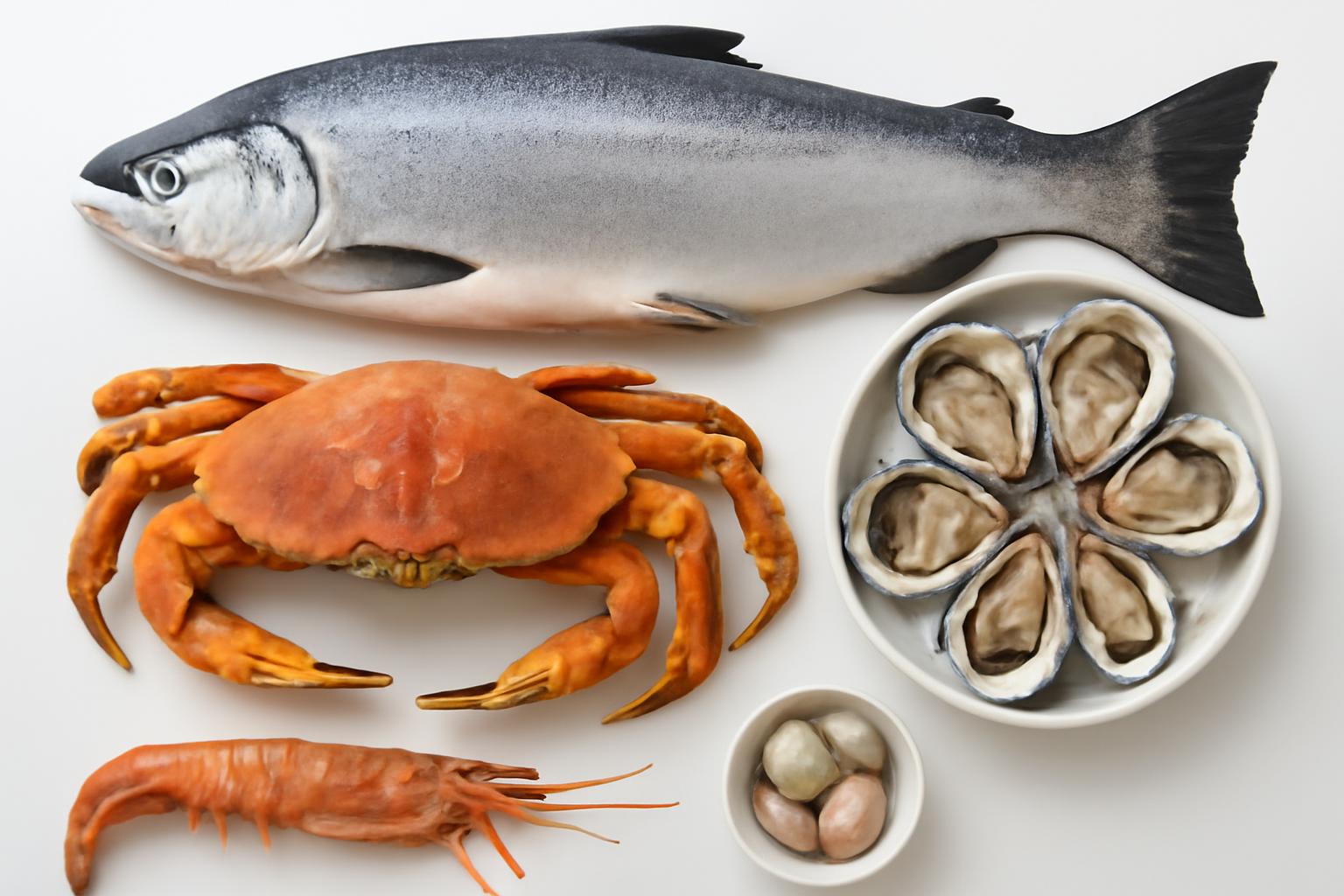
Seattle seafood is seasonal, but not in the tidy farmers-market sense many visitors expect. There is no single magic month when salmon, halibut, crab, oysters, clams, mussels, prawns, and every other local specialty all peak at once. Instead, Seattle runs on overlapping rhythms: finfish gets the most attention from late spring through fall, while shellfish and crab often feel strongest once the weather cools down (Blue Heron Lakehouse’s Seattle seafood guide; Seattle Waterfront seafood seasons chart).
That is why a Seattle seafood season by month guide is more useful than a one-line “best time to visit” answer. If you are coming for a short trip, the real goal is not to memorize every legal opening or every species chart. It is to know what is most likely to feel fresh, local, and worth prioritizing in the specific month you will be here, and to understand when a very good seafood meal may still rely on Alaska-sourced, farmed, or flash-frozen product instead of something just landed that morning. In Seattle, that distinction matters.
The other reason travelers get mixed signals is simple: people are often talking about different calendars without realizing it. A sport-fishing calendar tells you when anglers can legally target a species. A commercial calendar tells you when harvesters can land and sell it. Those three frames overlap, but they do not line up perfectly, and Seattle makes much more sense once you read seafood through that lens.
How Seattle Seafood Seasons Work
The broad diner-facing pattern is still clear. Fresh seafood gets its biggest push roughly from May through October, especially salmon and halibut, while shellfish and crab carry more of the city’s cool-weather seafood appeal (Blue Heron Lakehouse’s Seattle seafood guide).
That does not mean winter seafood is weak. It means winter is usually a different kind of seafood season. The Seattle Waterfront’s consumer-facing chart shows salmon as Less Common in January-February and December, while oysters, clams, mussels, and Dungeness crab are strongest in the cooler parts of the year. Washington Department of Fish & Wildlife’s commercial guide also shows year-round or long-season availability for several categories, including groundfish, rockfish, sole, and some shellfish, which helps explain why Seattle can still eat very well outside peak salmon months (Seattle Waterfront seafood seasons chart; WDFW local seafood guide).
It also helps to be precise about what “Seattle seafood” really means. The Seattle Waterfront chart notes that much of the seafood sold in Seattle is commercially harvested in Washington, but some comes from Alaska or other states with similar seasonality. That matters most with salmon. Early-season excitement in Seattle often centers on Copper River salmon from Alaska in late April or early May through early July, which is absolutely part of the city’s seafood culture even though it is not a Puget Sound harvest story (Seattle Waterfront seafood seasons chart; Blue Heron Lakehouse’s Seattle seafood guide).
Outside those peak fresh windows, frozen is not automatically second-rate. Blue Heron’s guide explicitly notes that Seattle restaurants do very well with flash-frozen salmon outside the main fresh season, and The Spruce Eats makes the same broader point about West Coast seafood: modern flash-freezing preserves quality well enough that many species can still eat beautifully year-round. So the smartest traveler question is usually not just “Is it in season?” but “Is this fresh local, fresh regional, farmed, or previously frozen?” (Blue Heron Lakehouse’s Seattle seafood guide; The Spruce Eats’ West Coast seafood season guide).
The last piece is the calendar split. Charter operators and sport-fishing guides are useful, but they are talking about legal targeting windows, quotas, and in-season changes, not necessarily the best restaurant month for a species. Seattle charter guidance specifically says seasons are subject to Washington Department of Fish & Wildlife changes, and Seattle Fishing Seasons says its charts reflect peak runs, not always open dates. That is useful context for anglers, but it should not be confused with what you will see on a menu or at a seafood counter (Seattle fishing season dates page; Seattle Fishing Seasons).
For trip planning, the simplest working model is this:
- Late spring through summer: salmon, halibut, and spring seafood transitions.
- Late summer into fall: salmon remains strong while shellfish starts feeling increasingly right again.
- Fall through winter: oysters, clams, mussels, scallops, and Dungeness crab take a larger share of the spotlight.
- Any month: strong restaurants can still bridge gaps with farmed shellfish and well-handled frozen fish.
That framework is more useful than chasing a single “best” date, because Seattle rewards flexibility much more than purity.
Peak, Consistently Fresh, and Less Common Explained
The most practical Seattle seafood framework comes from the Seattle Waterfront’s seasonality chart, which groups more than 25 seafood types into three consumer-friendly buckets: Peak Harvest, Consistently Fresh, and Less Common (Seattle Waterfront seafood seasons chart).
In plain English, those labels mean this:
- Peak Harvest: the species is in its strongest seasonal window for abundance and quality.
- Consistently Fresh: it is still a reliable order even when it is not at its absolute peak.
- Less Common: it may be harder to find, less central to the market, or simply not the moment when Seattle expresses it best.
That middle category matters a lot for travelers. Seattle has enough seafood infrastructure that many things remain available most of the year, but availability is not the same as seasonal priority. A fish can still be on a menu in February without being the thing the city is doing best in February. “Consistently Fresh” is the difference between “good choice” and “build the day around this.”
It is also a useful antidote to all-or-nothing thinking. Travelers often assume seafood is either in season or out of season. Seattle works more on a confidence scale. If a species is in Peak Harvest, you can happily center a meal around it. If it is Consistently Fresh, order it without panic, but stay open to whatever is peaking harder right now. If it is Less Common, ask a quick question about origin, whether it was previously frozen, and whether another species might be a better seasonal call that day. That is the mindset that makes a Seattle seafood trip feel easy instead of overplanned.
Month-by-Month Seattle Seafood Calendar
At the clearest consumer level, Seattle’s seafood year breaks down like this: Dungeness crab peaks in January-February and September-December; salmon peaks in May-October and is less common in January-February and December; oysters peak in January-February and October-December; clams peak in January-April and September-December; mussels peak in January-February and October-December (Seattle Waterfront seafood seasons chart). Washington Department of Fish & Wildlife adds useful commercial context: scallops are available November-April, prawns April-October, Dungeness crab January-September, and Salish Sea salmon August-November (WDFW local seafood guide).
Below, think of each month as a traveler’s priority list rather than a rigid menu law.
January — This is a shellfish-and-crab month first. Dungeness crab, oysters, clams, and mussels all sit in their strongest seasonal lane, while salmon is in the Seattle Waterfront chart’s Less Common category. Scallops also fall inside WDFW’s November-April commercial window, so they make sense here too (Seattle Waterfront seafood seasons chart; WDFW local seafood guide). If you are visiting in January, build around a raw bar, shellfish platter, chowder stop, or simple crab preparation rather than coming specifically for fresh local salmon. For the “where” piece, this is a good month for a cozy seafood counter near the waterfront by day and a neighborhood dinner later, because the weather often favors shorter, clustered outings.
February — February looks a lot like January. You still have peak oysters, mussels, clams, and Dungeness crab, plus scallops in season commercially through April (Seattle Waterfront seafood seasons chart; WDFW local seafood guide). If your trip happens now, Seattle’s seafood strength is less about headline salmon and more about cold-weather shellfish confidence. This is a great month for a market lunch followed by a shorter indoor-heavy itinerary, especially if rain is part of the forecast.
March — March is a transition month, but not a weak one. Clams remain in Peak Harvest, oysters and mussels stay reliable, and scallops are still in WDFW’s November-April window (Seattle Waterfront seafood seasons chart; WDFW local seafood guide). The important nuance is that the spring turn has started, but Seattle is not yet a full salmon city in the diner-facing sense. If you want a March seafood strategy, lean shellfish first and watch menus for the start of spring fish rather than assuming all finfish has fully arrived.
April — April is where the spring shift becomes easier to feel. On the Seattle Waterfront chart, salmon moves out of winter scarcity into stronger spring availability, halibut is in Peak Harvest in spring, and spot prawns are also listed as a spring Peak Harvest item. Regionally, The Spruce Eats lists halibut from March-November and spot prawns from February-December, while also noting that farmed clams, mussels, and oysters are available year-round (Seattle Waterfront seafood seasons chart; The Spruce Eats’ West Coast seafood season guide). Blue Heron also notes that Copper River salmon reaches Seattle in late April or early May, which is why seafood chatter usually gets louder around now (Blue Heron Lakehouse’s Seattle seafood guide). For a traveler, April is a smart month for a waterfront market stop paired with a dinner reservation where you can ask what spring fish has just started showing up.
May — May is when Seattle becomes much easier to read if salmon is your priority. The Seattle Waterfront chart places salmon in Peak Harvest from May-October, and spring still supports halibut and spot prawns. On the recreational side, Seattle-area fishing calendars also place lingcod around May 1-June 15, and Seattle Fishing Seasons says flounder is year-round but best from May-October (Seattle Waterfront seafood seasons chart; Seattle Fishing Seasons). That does not make lingcod a guaranteed menu star everywhere, but it does make late spring a more locally specific moment. If you are building a May trip, this is a good month for a market-focused morning and a fish-forward dinner in a food-heavy neighborhood later that night.
June — June is the first month where summer seafood usually feels straightforward. Salmon remains in Peak Harvest, halibut still makes strong seasonal sense, and coho fishing windows begin in Seattle recreational calendars from June 1 even though that is fishing context rather than a restaurant guarantee (Seattle Waterfront seafood seasons chart; Seattle fishing season dates page). This is also when Seattle travel logistics start helping rather than hurting: longer daylight makes it easy to combine a waterfront seafood lunch, a ferry crossing, and dinner without the day feeling rushed.
July — July is firmly salmon season for diners. Salmon stays in Peak Harvest, halibut remains broadly aligned with the warm-weather seafood pattern, and Seattle-area fishing calendars place the main king/chinook action in midsummer, with Seattle charter dates in 2026 beginning again on July 16 and Seattle Fishing Seasons describing kings as running from mid-June through late August with an early-August peak. All of those dates are subject to Washington regulation changes and are recreational context, not restaurant guarantees (Seattle Waterfront seafood seasons chart; Seattle fishing season dates page; Seattle Fishing Seasons). For eating, July is simply one of the clearest months to prioritize salmon. It is also a natural month for a ferry day built around seafood, especially if you want a long daylight window and a simple waterfront start.
August — August keeps the summer logic going. Salmon remains in Peak Harvest on the Seattle Waterfront chart, and charter guidance still places king and coho activity squarely in the mix, with coho continuing from June 1-November 15 on the Seattle charter calendar and Seattle Fishing Seasons describing coho as running June-October and peaking in September (Seattle Waterfront seafood seasons chart; Seattle fishing season dates page; Seattle Fishing Seasons). If you visit in August, expect salmon to be easy to center, but do not ignore non-salmon options on good menus. Summer abundance is broad enough that halibut and other fish can still be excellent choices.
September — September is where Seattle becomes especially interesting because categories start to overlap. Salmon is still in Peak Harvest, and on the Seattle Waterfront chart oysters, clams, and Dungeness crab all return to Peak Harvest in fall. WDFW also keeps prawns inside their April-October commercial window at this point (Seattle Waterfront seafood seasons chart; WDFW local seafood guide). That combination is why September often reads as a particularly broad seafood month: you can still pursue salmon, but shellfish logic is coming back fast.
October — October continues that fall overlap. Salmon remains in the Seattle Waterfront chart’s Peak Harvest window through the month, oysters/clams/mussels are back in their stronger cool-weather pattern, and Seattle charter calendars place chum from October 15-November 15 and coho into mid-November in 2026, again with the caveat that fishing dates can change (Seattle Waterfront seafood seasons chart; Seattle fishing season dates page). This is a strong month for travelers who want both late salmon and shellfish without the full winter shift yet taking over.
November — November is where late salmon tapers and shellfish deepens. WDFW lists Salish Sea salmon August-November and scallops November-April, while the Seattle Waterfront chart keeps oysters, clams, mussels, and Dungeness crab in their fall strength (WDFW local seafood guide; Seattle Waterfront seafood seasons chart). If your seafood priorities include oysters, scallops, and richer cold-weather menus, November works very well. It also pairs naturally with Seattle’s rainy-day rhythm: shorter neighborhood loops, indoor stops, and dinners that feel like the destination rather than the afterthought.
December — December is decisively a crab-and-shellfish month in the diner-facing calendar. The Seattle Waterfront chart places Dungeness crab, oysters, clams, and mussels in strong cool-weather territory, while salmon drops back out of its main May-October peak and into a less central role (Seattle Waterfront seafood seasons chart). Scallops remain in WDFW’s November-April commercial window too (WDFW local seafood guide). If you only want the short version for December: come for crab, oysters, clams, mussels, and winter seafood comfort rather than betting your whole trip on fresh local salmon.
If you want the tightest summary of the whole year, it is this: summer is the safest salmon trip; spring is strong for halibut and spot prawns; and fall into winter is the best shellfish-and-crab stretch (Seattle Waterfront seafood seasons chart; WDFW local seafood guide; Blue Heron Lakehouse’s Seattle seafood guide).
Dungeness Crab: Seattle’s Iconic Catch
Dungeness crab is the species that confuses travelers most because different sources are often describing different things.
For best eating in Seattle, the clearest consumer-facing guidance comes from the Seattle Waterfront chart, which places Dungeness crab in Peak Harvest during January-February and September-December, with March-August marked Consistently Fresh (Seattle Waterfront seafood seasons chart). That is the cleanest answer for diners.
For commercial availability in Washington, WDFW lists Dungeness crab as available January-September. That does not contradict the consumer chart. It just answers a different question: when crab is commercially available in Washington’s seafood system, not when a Seattle diner is most likely to feel that crab is in its strongest seasonal moment (WDFW local seafood guide).
For recreational crabbing near Seattle, Seattle Fishing Seasons says Dungeness crab is typically open from roughly July 1 through Labor Day, with some years reopening in October or November. Again, that is a third frame entirely: sport rules, not restaurant prominence (Seattle Fishing Seasons).
Those calendars sound messy until you label them correctly:
- Best for eating in Seattle: January-February and September-December.
- Commercial availability: January-September.
- Typical recreational crabbing visibility: summer, sometimes with fall reopening.
Blue Heron’s Seattle seafood guide adds a useful quality note: Dungeness crab is a local delicacy, and fresh is notably preferable to frozen crabmeat, which it describes as dense and soggy compared with the real thing (Blue Heron Lakehouse’s Seattle seafood guide). That fits the way travelers should order it. If crab is your priority, the smartest plays are usually simple ones: whole cooked crab, chilled crab, crab salad, or a crab cake that still tastes mainly like crab. Seattle certainly serves crab in composed dishes, but the species shows itself best when it is not hidden.
From a trip-planning angle, Dungeness works especially well in the cooler months because the rest of the seafood calendar supports it. In January, February, November, and December, you can build a whole day around crab plus oysters, clams, mussels, or scallops without feeling like you are forcing a single ingredient into the wrong season.
Salmon Seasons by Type in Puget Sound
For diners, the broad salmon answer is the easiest one to remember: the Seattle Waterfront chart places salmon in Peak Harvest from May-October, with January-February and December in the Less Common category and March-April as the ramp-up period. That is the strongest single source for the consumer calendar (Seattle Waterfront seafood seasons chart).
For anglers, salmon is much more specific. Seattle charter guidance lists 2026 Seattle departures for chinook/king April 1-30 and July 16 to early August, coho June 1-November 15, and chum October 15-November 15, while also warning that all seasons are subject to Washington Department of Fish & Wildlife changes (Seattle fishing season dates page). Seattle Fishing Seasons gives a similar recreational pattern, describing kings as a midsummer fish, coho as June-October with a September peak, and chum as a fall species. Helpful for fishing, yes; not the same as a menu calendar.
For Seattle eaters, the first major annual salmon event is often Copper River salmon, which Blue Heron says arrives from Alaska in late April or early May and runs through early July. That is not a Puget Sound timing claim; it is a Seattle market story about what the city gets excited about first (Blue Heron Lakehouse’s Seattle seafood guide).
After that, the salmon picture becomes easier to summarize by type:
- Chinook / King — Recreational Seattle dates in 2026 were April 1-30 and July 16 to early August, and Seattle Fishing Seasons places the mature king run from mid-June through late August with an early-August peak. For diners, that supports the simpler conclusion that king salmon is mainly a summer conversation in Seattle, especially in midsummer (Seattle fishing season dates page; Seattle Fishing Seasons).
- Coho / Silver — Seattle charter guidance places coho from June 1-November 15 in 2026, and Seattle Fishing Seasons says coho runs June-October with a September peak. That makes coho the late-summer-to-fall workhorse for Seattle salmon eating (Seattle fishing season dates page; Seattle Fishing Seasons).
- Chum — Seattle charter guidance places chum from October 15-November 15 in 2026, which lines up with the idea of chum as a late-season salmon rather than the centerpiece of a summer seafood trip (Seattle fishing season dates page).
- Salish Sea commercial salmon — WDFW lists August-November for Salish Sea salmon commercially, which is a useful reminder that Seattle’s salmon supply story is not limited to one harvest channel or one region (WDFW local seafood guide).
The practical traveler answer is therefore two-part:
- If you mainly want a salmon-centered eating trip, May through October is the safest broad window, with summer through early fall being the easiest stretch.
- If you want the first big seasonal salmon buzz in Seattle and do not mind Alaska sourcing, late April through early July is when Copper River enters the story.
That is more precise, and more honest, than pretending every “salmon season” source is talking about the same thing.
Oysters, Clams, and Mussels: Shellfish Peaks
Shellfish is the steadiest part of Seattle’s seafood identity. It is what makes the city reliable even when fresh salmon is not the reason to visit.
The Seattle Waterfront chart gives the clearest pattern. Oysters peak in January-February and October-December, but remain Consistently Fresh from March-September. Clams peak in January-April and September-December, with May-August still consistently fresh. Mussels peak in January-February and October-December, with March-September still reliable (Seattle Waterfront seafood seasons chart).
That is why shellfish solves so many trip-planning problems. Even when you miss peak salmon, you have a category that remains strong, or at least dependable, almost all year.
The nuance is that “available all year” and “most compelling seasonally” are not exactly the same thing. Visit Seattle quotes chef James Huffman saying, “The best time of the year to eat oysters is late winter and spring,” while also noting that clams and shucked oysters from Hama Hama are served year-round (Visit Seattle’s Eat Local feature). The Spruce Eats similarly notes that farmed clams, mussels, and oysters are available year-round on the West Coast (The Spruce Eats’ West Coast seafood season guide).
Put together, that gives travelers a clean interpretation:
- Oysters: usually available year-round, but especially seasonally persuasive in late winter, spring, and fall into early winter.
- Clams: a longer cool-weather peak, still supported by year-round farmed supply.
- Mussels: strongest in the cooler pattern, but still regularly available outside it.
For short trips, the “where” side of shellfish is easy too. This is the seafood category that works best with Seattle’s weather. On colder or wetter days, a raw bar, oyster stop, chowder lunch, or shellfish-heavy dinner fits naturally into a neighborhood-based itinerary. In summer, shellfish still works, but it may be more of an appetizer or tower alongside other fish rather than the whole point of the trip.
A simple rule helps:
- Winter to early spring: highest shellfish confidence.
- Summer: still good, especially at busy, quality-focused places.
- Fall: especially satisfying if you want Seattle to feel unmistakably Northwestern again.
Halibut, Spot Prawns, Lingcod, and More
Halibut is one of Seattle’s most useful seasonal fish because it often shows up exactly when travelers want it to: after winter shellfish season, before fall oyster season, and during the city’s easier long-day months.
The Seattle Waterfront chart places halibut in Peak Harvest during spring and summer. Blue Heron describes halibut as a summer mainstay on Seattle menus, and The Spruce Eats lists halibut from March-November for the broader West Coast (Seattle Waterfront seafood seasons chart; Blue Heron Lakehouse’s Seattle seafood guide; The Spruce Eats’ West Coast seafood season guide). That is enough to make halibut a very safe spring-to-summer restaurant order in Seattle.
Spot prawns are more of a spring watch item. The Seattle Waterfront chart lists them as Peak Harvest in spring. WDFW lists Washington prawns as available April-October, while The Spruce Eats gives a broader West Coast span of February-December and warns that commercial visibility can vary by region (Seattle Waterfront seafood seasons chart; WDFW local seafood guide; The Spruce Eats’ West Coast seafood season guide). For a visitor, the practical lesson is not to memorize every date range. It is to start asking about spot prawns in spring and keep an eye out into summer if you care about them.
Lingcod is more locally specific and more limited. The Seattle Waterfront chart places lingcod in spring Peak Harvest, and Seattle-area fishing calendars usually frame lingcod around May 1-June 15 (Seattle Waterfront seafood seasons chart; Seattle fishing season dates page; Seattle Fishing Seasons). Because that evidence is largely fishing-oriented, the safest diner takeaway is that lingcod is a late-spring seasonal cue rather than a guaranteed year-round Seattle menu staple.
Flounder is the opposite. It is less glamorous, but more dependable. Seattle charter and fishing sources describe flounder as year-round, with the best window from May-October (Seattle fishing season dates page; Seattle Fishing Seasons). That makes flounder and similar bottom fish useful fallback orders when you want seafood in season but do not need a flagship species.
You can think about this whole group in practical traveler terms:
- Halibut — best when you want a safe seasonal fish dinner from spring into summer.
- Spot prawns — worth asking about in spring and early summer.
- Lingcod — more of a late-spring local-seasonality target.
- Flounder and other bottom fish — steady options when you want something fresh without chasing hype.
This is also the category that makes Seattle forgiving. If the salmon menu is thinner than you hoped, halibut, lingcod, flounder, rockfish, or sole can still make the meal feel distinctly Northwestern rather than like a compromise.
Year-Round Staples and Trip Planning Tips
If you want the lowest-risk Seattle seafood order in any month, WDFW’s commercial guide is the cleanest place to start: groundfish, rockfish, and sole are available year-round (WDFW local seafood guide). Those are not always the splashiest choices, but they are dependable ones.
Farmed shellfish smooths the calendar too. The Spruce Eats notes that clams, mussels, and oysters can be available year-round from farms, which helps explain why Seattle’s raw bars and shellfish counters remain useful even when the wild seasonal story is in transition (The Spruce Eats’ West Coast seafood season guide).
And outside the top fresh windows, previously frozen seafood should not automatically scare you off. Blue Heron explicitly says Seattle restaurants can do excellent work with flash-frozen salmon, and The Spruce Eats makes the same broader point about West Coast seafood quality outside peak fresh harvest periods (Blue Heron Lakehouse’s Seattle seafood guide; The Spruce Eats’ West Coast seafood season guide).
For actual trip planning, keep the seafood advice tightly tied to how Seattle works as a city. If you want a market stop, choose a base that makes the waterfront or central core easy. If you want dinners to matter more than daytime browsing, a food-first neighborhood can be more useful than sleeping by the piers. That is the same principle behind Seattle Know’s guide to choosing where to stay in Seattle: pick your base by how you plan to move, not by the one landmark you think you “should” be near.
The same goes for ferry days. Seafood fits Seattle best when it supports one clean daily anchor instead of turning the whole trip into a scavenger hunt. If one day revolves around a waterfront market lunch and another revolves around a crossing, keep the ferry day simple enough that seafood can slot into it naturally rather than compete with it. Seattle Know’s advice on how to plan a Seattle ferry day pairs well with that approach.
A few month-to-month pairings are especially easy:
- Spring: build around halibut or spot prawns, with shellfish as backup.
- Summer: do the market in the morning, salmon at lunch or dinner, and use the long daylight for a ferry-linked day.
- Fall: split the difference between late salmon and returning oysters, clams, and mussels.
- Winter: lean into Dungeness crab, oysters, clams, mussels, scallops, and warm seafood dishes.
The best final rule is simple: give each day one seafood anchor. Maybe that is a waterfront seafood lunch. Maybe it is a neighborhood dinner. Maybe it is a ferry day with fish at one end of it. Seattle gets easier when you cluster by neighborhood and weather, and seafood becomes more enjoyable when it supports the shape of the day instead of dictating every stop.
What’s the best month for Dungeness crab in Seattle?
Rather than one best month, the strongest diner-facing stretches are January-February and September-December on the Seattle Waterfront chart, while WDFW shows broader commercial availability from January-September. So for eating in Seattle, think in seasonal stretches rather than one perfect date (Seattle Waterfront seafood seasons chart; WDFW local seafood guide).
When does salmon peak in Seattle waters?
For eating in Seattle, salmon’s broad Peak Harvest window is May-October on the Seattle Waterfront chart. For fishing near Seattle, species-specific dates vary: Seattle charter guidance listed 2026 chinook dates in April and again from July 16 to early August, coho from June 1-November 15, and chum from October 15-November 15, all subject to Washington rule changes. Copper River salmon also reaches Seattle from Alaska in late April or early May through early July (Seattle Waterfront seafood seasons chart; Seattle fishing season dates page; Blue Heron Lakehouse’s Seattle seafood guide).
Are oysters good year-round in Seattle?
Usually yes. The Seattle Waterfront chart shows oysters in Peak Harvest during January-February and October-December, but still Consistently Fresh from March-September. Visit Seattle also quotes chef James Huffman saying late winter and spring are the best time for oysters, while noting that clams and shucked oysters from Hama Hama are served year-round (Seattle Waterfront seafood seasons chart; Visit Seattle’s Eat Local feature).
How do fishing seasons differ from market availability?
Fishing seasons describe when anglers can legally target species in specific areas under specific rules. Market availability reflects what commercial boats landed, what distributors sourced, and what restaurants chose to buy. That is why Seattle charter calendars can show narrow salmon or crab openings while WDFW commercial guidance still shows broader availability windows for seafood buyers, and why a restaurant may serve a species even when recreational fishing is closed (Seattle fishing season dates page; Seattle Fishing Seasons; WDFW local seafood guide).
What Seattle seafood is reliably fresh every month?
The safest year-round categories in WDFW’s guide are groundfish, rockfish, and sole. Farmed shellfish also helps keep clams, mussels, and oysters available through the year, even outside peak wild-harvest periods. Flounder is another steady option, with Seattle fishing sources describing it as year-round and best from May-October (WDFW local seafood guide; The Spruce Eats’ West Coast seafood season guide; Seattle Fishing Seasons).