
Unlock the Ideal Seattle Visit Window by Mastering Its Seasonal Weather Patterns
Choose July or August for the fewest weather disruptions. September balances lower rain odds with less of a peak-season feel.
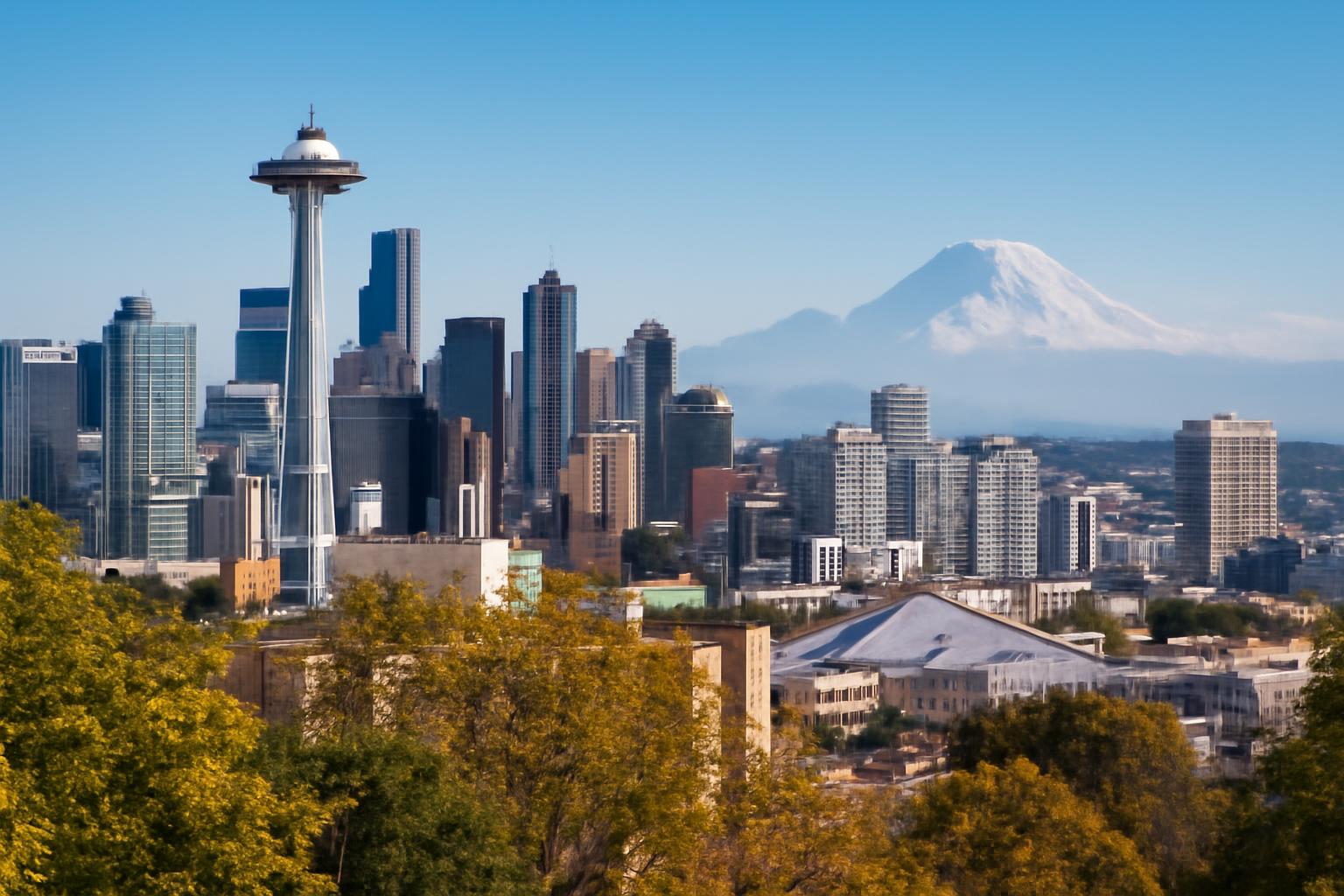
If you want the short answer to the best time to visit Seattle weather-wise, the safest all-around pick is still September into early October, when summer-like conditions often linger after peak season and room-rate pressure usually eases compared with midsummer (U.S. News Travel).
That said, Seattle is easier to enjoy when you stop chasing a mythical perfect month and instead match the season to your trip style. Summer is best for dry sidewalks and long daylight. Winter works for museum-heavy weekends and calmer city energy. Spring gives you blossoms and festival momentum, but also some of the most deceptive “this looked mild on the forecast” days. In every season, Seattle rewards travelers who keep the trip compact, walkable, and flexible.
That practical, car-free approach is the same logic behind Seattle trip planning built around neighborhoods, ferries, and the weather, and it works best when you aim for a clean route and a sensible backup instead of trying to cross the whole city three times in one day.
Seattle’s Weather Overview: Patterns and Myths Debunked
Seattle’s biggest weather myth is that it gets endless heavy rain. The more accurate version is that it gets a lot of gray skies, many damp days, and frequent light drizzle, especially from October through April. Total annual precipitation is still modest by big-city standards: Seattle averages about 39.3 inches a year, compared with 49.5 inches in New York City and 67.4 inches in Miami (Remitly’s NOAA-based Seattle weather summary).
On long-term averages, Seattle is mild rather than extreme. Winter days are usually in the mid-40s to low-50s, spring climbs from the low 50s into the mid-60s, summer tends to sit in the upper 60s to low 70s, and early fall stays comfortable before cooling into late October. The same averages show July and August as the driest stretch at under 1 inch of precipitation each, while November and December are the wettest at about 5 inches or more each (U.S. News Travel).
What first-time visitors often miss is that Seattle can feel cooler than the thermometer suggests. A day in the high 50s or low 60s can feel sharper near the water, on a ferry deck, or in a breezy shade-heavy neighborhood.
A practical month-by-month read looks like this:
- January: coolest city-trip month in feel, with short daylight and a strong case for indoor anchors.
- February: still wintery, but sometimes a touch easier than December or January for a short museum-focused weekend.
- March: transitional, greener, and one of the first months when blossom-watch planning starts to make sense.
- April: brighter and more encouraging, but still highly variable by the hour.
- May: one of spring’s better balances if you want shoulder-season prices with longer, more usable days.
- June: the city starts acting like summer, even if mornings can still feel cool.
- July: the cleanest dry-weather bet.
- August: warm, dry, and very easy for outdoor sightseeing.
- September: often the easiest blend of comfort, walkability, and breathing room.
- October: split personality month; early October can be lovely, late October feels much more autumnal.
- November: one of the darker, wetter stretches.
- December: cozy if you plan for it, but clearly not the season for all-day outdoor wandering.
So is Seattle’s reputation deserved? Partly. You should expect damp stretches for much of the year. But if you picture daily downpours that ruin every plan, you are probably overestimating the problem. The better mental model is this: Seattle is often drizzly, rarely brutal, and most enjoyable when your route leaves room for weather.
Summer (June-August): Peak Dry Weather for Outdoor Adventures
If your first question is simply, “When do I have the best odds of dry weather?” summer is the easiest answer. This is when Seattle usually delivers its most visitor-friendly conditions: temperatures around 75°F, long evenings, and up to 16 hours of daylight at the peak of the season (Totally Seattle).
That makes summer the most straightforward season for a classic first trip. Pike Place Market feels easier when you are not timing everything around showers. The waterfront becomes an actual place to linger instead of just pass through. Ferry rides feel scenic rather than strategic. Parks, viewpoints, and neighborhood wandering all ask less of you physically when the city is dry and bright.
It is also the season when Seattle can fool visitors into overplanning. The weather is good enough that people try to stack too much into a single day: market in the morning, a ferry at noon, Ballard in the afternoon, Queen Anne at sunset, Capitol Hill late. On paper that looks efficient. In practice it often becomes a lot of transit, a lot of resets, and not much depth.
A better summer pattern is to keep each day shaped around one main cluster:
- Pike Place + waterfront + one ferry crossing
- Seattle Center + nearby views + one meal stop nearby
- One neighborhood day, such as Capitol Hill or Ballard, with room to wander instead of chase landmarks
Summer also comes with the tradeoffs you would expect. It is Seattle’s busiest season, so high-demand areas feel fuller and hotel rates usually run higher than they do outside peak season. Even in the best weather, mornings can start cool and ferry decks can feel windy, so a light extra layer still earns its place in the bag.
If you want Seattle at its easiest outdoors, summer wins. Just do not confuse “best weather” with “best trip shape.” The weather gives you range; your itinerary still needs restraint.
Fall (September-October): The Sweet Spot for Balanced Weather and Value
For many first-time visitors, early fall is the most balanced answer. Travel + Leisure recommends early fall for warm weather without peak-summer congestion, and also points to fall as a strong season for arts programming, including Refract in October (Travel + Leisure).
What makes September work so well is not that it is magically different from summer, but that it often keeps many of summer’s advantages while softening several of summer’s annoyances. The city is still highly walkable. Outdoor tables and waterfront strolls still make sense. Ferries are still appealing. But the overall pace can feel less compressed, which is especially helpful if you are on a short trip and do not want every popular stop at its absolute busiest.
Early fall is also a strong fit for travelers who want Seattle to feel urban rather than purely checklist-driven. You can do a market morning, museum afternoon, ferry view, and dinner in one neighborhood without feeling rushed. That rhythm is especially good for people staying car-free, because the city feels best when you are moving through it in deliberate loops instead of darting across it.
October deserves a little more caution than September. Rain becomes a more active part of the plan, daylight begins shrinking quickly, and exposed waterfront time feels less universally inviting. That does not make October a bad month. It just changes the ideal structure of the trip:
- keep each day tied to one main area
- treat indoor stops as anchors, not backups of last resort
- save the longest outdoor stretch for the clearest part of the day
- choose a base that gives you easy options if conditions turn breezy or wet
A waterfront-adjacent base is especially useful in this season because it keeps ferry decisions flexible and makes it easier to pivot between views and indoor time. If your evenings matter more than ferry access, a food- and bar-oriented base can be smarter. The point is not to pick the prettiest neighborhood on a map; it is to pick the one that matches how you will move when the weather is only mostly cooperative.
Winter (November-February): Budget Indoor Trips Despite Rain
Winter is the season many weather-conscious travelers want to skip, but it is more workable than its reputation suggests. Lonely Planet frames November through March as the best time for indoor pursuits and lower prices, with Seattle’s winter pattern defined more by gray skies and rain than by constant deep cold (Lonely Planet).
That is the key distinction. Winter in Seattle is usually damp, dark, and drizzly, not typically a harsh freeze. For city visitors, the bigger issue is not surviving extreme temperatures. It is recognizing that a three-hour exposed wander will feel less fun here than it looked when you planned it from home. Short daylight makes that more obvious. So does the temptation to keep moving when what the day really wants is a slower route.
This is why winter is best treated as an indoor-first Seattle trip. Think museums, bookstores, coffee, music, short market visits, brief waterfront views, and dinners you can actually get into without building the whole day around reservations. February has an extra practical advantage: Travel + Leisure notes that Seattle Museum Month offers 50% off museum admissions through participating hotel programs (Travel + Leisure).
Winter planning works best when you are disciplined about shape:
- stay somewhere with easy transit and nearby food
- group indoor stops so you are not repeatedly resetting across town
- keep the longest uncovered walks short
- use scenic outdoor windows in brief bursts instead of forcing an all-day exterior plan
This is also the season when “no car” usually becomes even more sensible for a short city visit. Parking, traffic, and long wet transfers from garage to destination rarely improve the experience. A compact transit-friendly base usually does.
Winter is not Seattle at its prettiest in the postcard sense. It can, however, be Seattle at its calmest. If your expectations are right, that can be a real advantage.
Spring (March-May): Blooms and Shoulder Savings with Variable Showers
Spring is easy to romanticize in Seattle, and for good reason. The city gets greener fast, days lengthen, and the whole place starts to feel more outward-facing again. But spring is also one of Seattle’s least trustworthy seasons in practical terms. Totally Seattle describes it as a transitional period with temperatures generally running from the mid-40s to the mid-60s, where weather can shift quickly and layers are still essential (Totally Seattle).
That “transitional” label matters. Spring is not the clean end of rainy season. It is the part where the city starts teasing summer without actually committing to it. A good spring day can feel bright, fresh, and open-air. A mediocre spring day can feel colder than the forecast implied because of wind, shade, and intermittent showers. The mistake is assuming the average temperature tells you how the day will feel block by block.
What spring does offer is some of Seattle’s most rewarding seasonal atmosphere. Streets and parks look better, outdoor markets regain momentum, and festival season wakes up. It is a particularly good time for travelers who enjoy mixed days: coffee, a neighborhood walk, an indoor stop, a little blossom hunting, then dinner somewhere you can reach without a long wet transfer.
To make spring work, a few habits matter more than usual:
- pack for wind, not just rain
- treat a dry spell as a bonus, not as the guaranteed plan
- keep one indoor fallback near every outdoor anchor
- pick a base that cuts down on long exposed transfers
If your dream trip is “warm and reliably dry,” spring is less dependable than early fall. If your dream trip is “seasonal, greener, and lighter on the wallet than summer,” it can be excellent.
Seasonal Events and Activities Tied to Seattle Weather
Seattle’s event calendar tracks closely with its weather, which is useful because it helps you decide not just when to visit, but what kind of trip to build. National Geographic highlights Seafair and Bumbershoot in summer, Refract in fall, Lunar New Year and Museum Month in winter, and spring fixtures such as blossom season and Northwest Folklife (National Geographic).
That pattern leads to a simple rule of thumb:
- Summer: lean hardest into ferries, parks, festivals, and longer scenic days
- Early fall: mix outdoor time with arts programming and neighborhood meals
- Winter: prioritize museums, performances, food, and short, strategic outdoor views
- Spring: pair blossom or festival plans with easy indoor substitutes nearby
But they are still worthwhile in shoulder seasons if you keep the structure simple: one crossing, one destination, one place to walk, and one indoor fallback if the day turns.
That is really the larger Seattle lesson. Weather usually does not need to cancel the day. It just needs to shape it.
Smart Planning: Neighborhoods, Ferries, and Rainy-Day Strategies
The fastest way to make Seattle feel complicated is to plan it like a city where you should zigzag between landmarks from morning to night. The fastest way to make it feel manageable is to choose a base that matches your movement style and then build each day around one clear cluster.
For most first-time or short-stay travelers, these base styles are the most useful:
- Waterfront or waterfront-adjacent: best if ferry access, views, and weather flexibility matter most
- Central, transit-heavy base: best if you want the easiest movement with the fewest resets
- Capitol Hill-style base: best if your evenings revolve around food, bars, coffee, and street life
- Quieter residential-feeling base: best if calmer nights matter more than being in the busiest core
The real trick is not choosing the “best” neighborhood in the abstract. It is choosing the one that makes your most repeated trip shape easy. If you know you will head toward the waterfront more than once, stay where that is simple. If your trip is really about late dinners and neighborhood wandering, choose for that instead.
For readers turning this weather advice into a real itinerary, Seattle Know’s internal planning resources can help: start with the main neighborhood-and-ferry planning hub, the quick base, ferry day, or rainy-day loop starter, and the guide on how to choose where to stay in Seattle. If you have a specific planning question, you can contact Seattle Know; the site’s standard privacy details and terms of use are there if you want the housekeeping pages.
Ferry planning is where a lot of short Seattle trips go wrong. The best ferry day is usually not the most ambitious one. It is the cleanest one:
- one crossing
- one destination
- one timing buffer
- one warm layer, even if the morning forecast looks good
Rainy days follow the same logic. You do not need a heroic Plan B with ten backup stops. You need shorter outdoor segments and better sequencing. A smart wet-weather day might look like this:
- indoor market browsing
- lunch nearby
- a museum or bookstore
- a brief waterfront walk during the clearest window
- dinner without another long cross-city reset
This is also why most short visits do not need a car. In a city where weather can shift and parking adds friction, “more range” often becomes “more hassle.” If you stay near transit and build by neighborhood, Seattle is usually simpler without one.
Which Weather Outlook Should You Use Before Your Trip?
A seasonal headline cannot tell you whether your booked Saturday will be dry. Choose the weather information that matches your decision and how far away it is. Before reading any outlook, check its issue date, the period it covers and the area on the map.
Monthly and seasonal outlooks give background. A CPC seasonal outlook describes probabilities across a broad period. A warmer or drier season can still contain a cold or wet week. “Drier than usual” does not mean rain-free, so keep an indoor alternative when booking a weather-sensitive trip.
Six to fourteen days ahead, look for a planning heads-up. CPC’s 6–10-day and 8–14-day outlooks can help you revisit packing and outdoor plans. They do not schedule the weather for a particular afternoon. Use the valid dates printed on each map to see which period overlaps your visit.
The temperature outlook concerns the average over its valid period; precipitation concerns the period’s total. Darker shading indicates a higher probability of the category, not a larger temperature departure or a particular amount of rain. Above-normal temperatures do not mean every day will be hot. A precipitation percentage is not the chance of rain at your hotel on Saturday. CPC explains its temperature and precipitation maps separately.
Within a week, check the place and day. Use the National Weather Service’s Seattle forecasts and alerts for your destinations, then recheck before departure and before weather-sensitive outings. Conditions can differ over short distances around Seattle; a downtown forecast should not stand in for a mountain excursion.
Read local forecasters’ written explanations on TV, radio or newspaper websites too. They can explain timing and nearby differences that a weather icon misses. Closer-range forecasts help you time an outing, but remain subject to change.
This section draws on editorial input from Scott Sistek of Emerald City Weather. His historical El Niño scenarios provide background on why broad patterns can produce different regional outcomes.
Packing Essentials and Pro Tips for Every Season
Packing for Seattle is less about extreme temperatures and more about staying functional through quick shifts. The default kit that saves most trips is simple:
- a light waterproof or water-resistant jacket
- one midweight layer such as a sweater or fleece
- comfortable shoes that can handle damp pavement
- clothes you can add or remove easily
- a small bag that keeps essentials dry
Spring and fall are where smart packing matters most because those are the seasons when the forecast can sound mild while the street-level experience feels cooler, windier, or wetter. Summer still deserves a layer for mornings, evenings, and ferry decks. Winter usually asks for better layering, not polar-level gear.
Seattle’s microclimates are one reason hoods and layers tend to outperform umbrellas. Areas closer to the water often feel breezier and cooler, while inland neighborhoods can feel more forgiving, so the goal is not to dress for a storm every day; it is to dress so a little drizzle or wind does not derail the plan.
Tailor your bag to your base, too. If you are staying near the waterfront, pack with wind in mind. If your trip is more museum-and-cafe focused, prioritize comfort and easy on-off layers. Either way, the same rule holds: the right extra layer solves more Seattle travel problems than the perfect forecast does.
If you want one practical takeaway, it is this: early fall is often the easiest all-around window, but Seattle is manageable in any season when your clothes, base, and daily routing all leave room for weather.
What are the driest months in Seattle?
July and August are the driest months, and June through September is the city’s most reliably dry stretch. Remitly’s NOAA-based summary notes July averaging about 0.67 inches of precipitation, which is why midsummer is the safest pick if dry weather is your top priority.
If you want the fewest weather disruptions, choose July or August. If you want a compromise between lower rain odds and a less peak-season feel, September is often the better call.
Does it rain every day in Seattle winter?
No. Seattle winter is often wet, but not usually as a nonstop, all-day downpour. Lonely Planet notes that Seattle gets about 150 rainy days a year but less than 40 inches of annual rainfall, which helps explain why the city feels persistently damp without actually getting extreme rainfall totals (Lonely Planet).
For planning purposes, assume you will deal with some drizzle, gray skies, and shorter daylight. That is different from assuming every winter hour is washed out.
Best shoulder season for fewer crowds and good weather?
For most first-time visitors, September into early October is the strongest shoulder-season bet.
Choose April or May if blossoms, fresh greenery, and spring events matter more to you than dry forecasts. Choose September or early October if weather reliability matters most.
Do I need a car if visiting in rainy season?
Usually not for a short, city-focused Seattle trip. Rainy season is a good reason to simplify, not to drive more. If you stay in a walkable, transit-friendly area and cluster each day by neighborhood, you can reduce long resets, parking friction, and unnecessary backtracking.
A car can help if your plan is really regional and extends beyond the city. But for a short Seattle stay, it often adds more hassle than flexibility.
When are cherry blossoms in Seattle?
March is the classic planning window, especially around the University of Washington Quad. National Geographic specifically points travelers to mid-March bloom watch at the UW cherry trees, making March the month to target if blossoms are a priority.
Because bloom timing can shift a bit year to year, the best approach is to plan for a March window rather than betting everything on one exact weekend.