
Best Lunch Spots in Seattle by Neighborhood and Pace
Cafe Suliman, Kilig, Asadero and Oriental Mart lead seven picks organized by neighborhood and pace, with day-specific catches flagged.
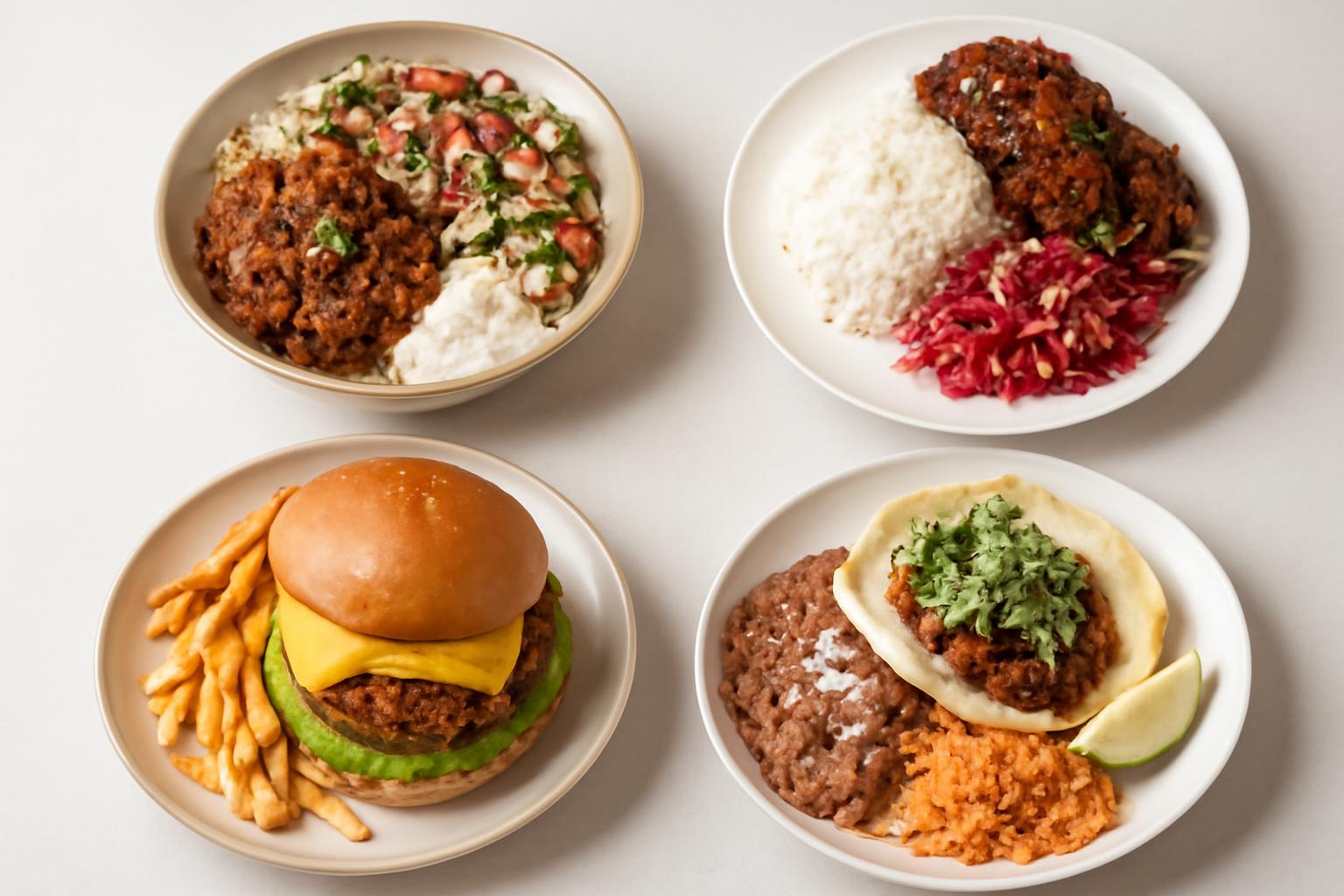
Overview
The strongest supported lunch picks in Seattle right now are Cafe Suliman on Capitol Hill, Kilig in the Chinatown–International District, Asadero in Ballard, and Oriental Mart in Pike Place Market. Several recur across independent editorial coverage; Kilig is supported here by Eater. The right choice for you depends on two things: which neighborhood you will be in, and whether you want a fast counter meal or a sit-down lunch worth an afternoon.
This guide is not a ranking. Eater Seattle’s lunch map states outright that its entries “are not ranked but listed in geographic order from south to north,” while The Infatuation applies numeric scores such as a 9.0 for Oriental Mart. Because the sources use different methods, this guide uses recurrence across them as its selection signal, then organizes the results the way you actually decide: by neighborhood, then by pace.
One more rule before you pick: verify the day of service. The evidence includes real failure cases, including a barbecue spot that only opens on weekdays, a crab roll that only appears on weekends, and a restaurant a traveler discovered was closed for Sunday lunch. The timing section near the end covers each one.
Compare the shortlist at a glance
Use this table to narrow the shortlist in under a minute. Match your neighborhood first, then check whether the service style fits your available time. The columns are limited to what the source coverage actually supports, which is why you will not see price bands or opening hours here. Those change too often to print without a current official check, and the budget and timing sections below explain how to confirm them.
| Restaurant | Neighborhood | Cuisine | Service style | Documented order | Best for |
|---|---|---|---|---|---|
| Cafe Suliman | Capitol Hill (inside Melrose Market) | Arabic flavors with Pacific Northwest ingredients (Seattle Met) | Sit-down, dine-in only per its info page | Menu-driven; no single signature dish documented | A lunch you want to linger over |
| Kilig | Chinatown–International District | Filipino | Sit-down, bright dining room (Eater) | Bulalo | A social or first-date lunch around 1 p.m. |
| Asadero | Ballard (Leary Avenue) | Mexican steakhouse, mesquite-grilled meats (Seattle Met) | Full sit-down | Mesquite-grilled beef | A substantial destination meal |
| Oriental Mart | Pike Place Market | Filipino | Small counter spot (Eater) | Salmon collar sinigang, longanisa | A visitor day at the Market |
| Local Tide | Fremont | Pacific Northwest seafood | Sandwich and bowl counter | Salmon sandwich on weekdays; crab roll weekends only (Seattle Met) | Seafood lunch without a long sit |
| Red Bowls | Downtown | Japanese and Korean rice bowls | Takeout specialist (The Infatuation) | A rice bowl | A quick workday lunch |
| Bro’s | Ballard | Teriyaki truck | Food truck | Gyoza, called excellent by The Infatuation | Lunch on the go |
If two rows fit your location, decide by pace. Cafe Suliman, Kilig, and Asadero reward time. Red Bowls, Bro’s, and Local Tide keep you moving. Oriental Mart sits in between: a counter format in a location most people visit slowly.
The strongest recurring editorial picks
Three of these restaurants—Cafe Suliman, Asadero, and Oriental Mart—earn early consideration because more than one independent editorial source covers them for lunch specifically; Kilig’s support comes from Eater alone. That recurrence is a selection signal, not a score. Eater’s map is explicitly unranked and geographic, The Infatuation assigns numeric ratings, and Seattle Met writes curated prose entries. When outlets with three different methods land on the same rooms, that agreement is more useful than any single list’s ordering.
Cafe Suliman is the clearest case. Seattle Met describes it as a place where “the flavors of the Arabic world and the ingredients of the Pacific Northwest meet in the cluttered elegance of a Parisian bistro.” Eater covers the same counter inside Melrose Market and warns, half as praise, not to go “unless you want to risk a lunch that swallows your whole afternoon.” Read that as a signal about pace: this is a pick for a day when the meal is the plan, not a break from it.
Kilig gives you the opposite kind of room in the Chinatown–International District. Eater calls it one of the brightest dining rooms in the whole neighborhood and names it “the place to go if you have a first date at 1 p.m.” The bulalo is the documented order. Choose Kilig when the atmosphere matters as much as the food, and when your lunch companion is part of the decision.
Asadero in Ballard shows up in both Eater and Seattle Met with unusually consistent framing. Eater calls it a Mexican steakhouse and notes a second location in Kent. Seattle Met describes David Orozco’s “house of mesquite-grilled meats” on Leary Avenue as “a steakhouse lunch minus the expense account overtones,” served in a darkly festive dining room. That phrasing is the useful part: you get steakhouse weight at midday without needing a business justification, but you should still budget the time a steakhouse lunch takes.
Oriental Mart is the visitor-facing anchor of the shortlist. Eater says its salmon collar sinigang and longanisa “have made this tiny Pike Place Market spot into an American classic,” and The Infatuation rates it 9.0, one of the highest marks on its Seattle lunch page. A tiny footprint in the Market means it works best when you are already there, not as a cross-town errand.
Treat these four as the default answers, then adjust. Recurrence tells you which rooms multiple editors independently trust. It does not tell you which one wins, because no source in the evidence set claims an objective citywide winner, and this guide will not either. Your neighborhood and your available time break the tie.
Best Seattle lunch spots by neighborhood
Geography is the fastest filter for a citywide lunch decision. A strong pick in Ballard is a bad answer if you have 50 minutes in a Downtown office, and a Market counter is wasted on a day you never leave Capitol Hill. The three clusters below cover the areas where the source coverage is deepest: the Downtown and Pike Place Market core, the Capitol Hill and Chinatown–International District corridor, and the Fremont and Ballard stretch north of the ship canal. Each entry pairs the location with a documented order and the occasion it fits, so you can commit without reading a full review.
Downtown, Pike Place Market, and Pioneer Square
If your day centers on the Market, Oriental Mart is the pick with the strongest paper trail. Eater credits the salmon collar sinigang and longanisa with turning “this tiny Pike Place Market spot into an American classic,” and The Infatuation’s 9.0 rating backs the same kitchen from a second, independent direction. Plan around its size. A tiny counter inside a busy market rewards off-peak timing, and Pike Place Market’s official visitor page notes that most of the Market is active from 10 a.m. to 5 p.m., open seven days a week and closed only on Thanksgiving and Christmas, with individual restaurant hours varying. That last clause matters: the Market being open does not mean a specific counter is serving.
For a fast Downtown workday meal, The Infatuation points to Red Bowls, which it calls “a fantastic takeout lunch spot Downtown that specializes in Japanese and Korean rice bowls.” That is the format to choose when the meal needs to fit inside a meeting gap rather than replace one.
Two cautions apply in this cluster. First, do not assume Sunday lunch service near the Market. A traveler on Cruise Critic’s forums reported being “all set to go to the Pink Door” before realizing it was not open for lunch on the Sunday of their visit. If your only free day is Sunday, check the restaurant’s own site before building the itinerary around it.
Second, treat older Pioneer Square lists as context, not a current shortlist. The Pioneer Collective’s neighborhood roundup is useful for what a working lunch in the area looks like, including praise for “fresh, quick, delicious, and inexpensive sushi,” but the same article carries an “UPDATE: CLOSED” flag on one of its own picks. That is exactly how legacy recommendations fail. Use the article for orientation, then confirm any specific Pioneer Square spot still operates before you walk over.
Capitol Hill and the Chinatown–International District
Cafe Suliman anchors the Capitol Hill side of this corridor, and it is the one shortlist entry with official operating detail in the evidence. Its info page lists the address as 1531 Melrose Ave, inside Melrose Market, with lunch from 12 p.m. to 3:30 p.m. on Wednesday, Thursday, Sunday, Monday, Friday, and Saturday. The same page states the restaurant takes reservations for lunch only, is dine-in only with no takeout, and charges a $20 corkage fee if you bring a bottle. Note what the excerpt does not say: it never explicitly addresses Tuesday, so confirm directly if Tuesday is your day. The dine-in-only rule also settles the pace question for you. Eater’s warning about a lunch that “swallows your whole afternoon” is the honest expectation here, so pick Cafe Suliman when that sounds like a feature.
In the Chinatown–International District, Kilig is the supported sit-down pick. Eater singles out its dining room as one of the brightest in the neighborhood and frames it as the answer for a 1 p.m. first date. Order the bulalo. Choose Kilig when you want a full table-service lunch with real daylight, which is rarer at midday than it sounds.
Two more documented options round out the district. Seattle Met describes an all-day restaurant in the dinghy-shaped building that once housed the original Pho Bac, serving a single dish: cơm gà mắm tỏi, a garlic-crusted half chicken fried crisp and sticky with fish sauce. A one-dish menu removes decision fatigue entirely, which makes it a strong pick when your group cannot agree. And per Eater, Billiard Hoang offers a full sit-down menu, but at lunch the draw is the bánh mì made with scrambled egg, “an innovation that adds a layer of fluffiness and warmth to the usual combination of ingredients.” That is a specific, defensible order for anyone who wants something fast but not generic.
Fremont and Ballard
Asadero is the Ballard headliner. Both Eater and Seattle Met cover it, and Seattle Met’s framing is the practical one: mesquite-grilled meats in a darkly festive dining room on Leary Avenue, a steakhouse lunch without the expense-account setting. That makes it a strong choice for a celebration, a client-free long lunch, or a day off. It makes a heavy choice for a 45-minute workday break, so match it to an occasion where you can sit with the meal. Eater also notes a second location in Kent if your week takes you south.
Local Tide in Fremont is the seafood counter to know, and it comes with the single most useful scheduling fact in this guide. Seattle Met reports that “the famed crab roll is only available on weekends, which means weekday lunch is wide open for the salmon sandwich, rockfish banh mi, and salads and bowls centered on ludicrously fresh Northwest fish.” Read that both ways. If the crab roll is the point, go Saturday or Sunday. If you go on a Tuesday, the salmon sandwich is not a consolation prize; it is the documented weekday order.
Ballard also covers the quick end of the spectrum. The Infatuation describes Bro’s as “a truck in Ballard that serves decent teriyaki and excellent gyoza” and says plainly that it “works for a quick lunch on-the-go.” That is the honest pitch: order the gyoza, keep your afternoon. The same source also states that “the Caribbean sandwiches in Ballard are the city’s best,” which is worth knowing if a sandwich is your default lunch format and you are already in the neighborhood.
Between the two neighborhoods, decide by weight and time. Asadero is the sit-down destination, Local Tide is the focused counter meal, and Bro’s is the option when lunch has to fit around everything else.
Choose by pace: quick workday lunch or leisurely meal
After neighborhood, pace is the decision that actually separates these restaurants. The sources themselves draw this line. Eater’s map includes a barbecue spot whose owners “only serve lunch,” a true midday specialist, alongside full-menu restaurants that happen to be open at noon. The Infatuation splits its coverage the same way, with a dedicated list of “the 20 best spots for a leisurely sit-down lunch, especially if you don’t have to work” sitting next to grab-and-go picks. A midday specialist builds its whole operation around lunch. A restaurant that is merely open at lunch may be excellent but is not optimized for your clock. Use time and atmosphere, not prestige, to choose between the two sections below.
Quick workday and on-the-go options
A quick lunch has three traits you can check before you go: a counter or takeout format, a focused menu, and a location you can reach without a detour. The documented examples cover each format without promising exact service times, which no source in the evidence set supports.
For Downtown desk workers, Red Bowls is the clearest fit. The Infatuation calls it “a fantastic takeout lunch spot Downtown” specializing in Japanese and Korean rice bowls, and the takeout-first design is the point: the format assumes you are carrying lunch back rather than settling in. In Ballard, Bro’s covers the truck format. The Infatuation’s assessment, decent teriyaki and excellent gyoza that “works for a quick lunch on-the-go,” tells you both what to order and how long to expect to stay.
Teriyaki more broadly is Seattle’s default fast lunch, and the Infatuation gives you one specific order to anchor it: at Midori Teriyaki, “the spicy chicken with garlic sauce” is, in the site’s words, “what you’re here to order.” A single documented order removes the menu-scanning step that eats quick lunches alive.
The Pioneer Collective’s Pioneer Square coverage adds the quick-sushi pattern, praising “fresh, quick, delicious, and inexpensive sushi” as a workday escape. Because that article is older and flags one of its own picks as closed, treat it as proof the format exists in the neighborhood, then confirm any specific counter before you go. For all of these, the rule is the same: focused menu in, known order out, afternoon intact.
Leisurely and destination-worthy lunches
A leisurely lunch is worth choosing deliberately, not falling into. Seattle Met puts the case well: “Some days just call for tables and chairs, metal utensils, and drinks that get refilled.” The same piece notes that a real noontime break “entices remote workers out into the world of other people and offers respite for office workers from their hot-desked perches.” If that is the day you are having, pick a room built for it and give the meal the time it needs.
Three shortlist entries fit. Cafe Suliman is the linger-first choice, and every documented detail points the same direction: Eater’s warning about a lunch that can swallow your afternoon, Seattle Met’s “cluttered elegance of a Parisian bistro,” and the restaurant’s own dine-in-only, no-takeout policy on its info page. You cannot rush this lunch even if you try, so do not schedule it against a 1:30 meeting.
Kilig is the social pick. Eater’s framing, one of the brightest dining rooms in the Chinatown–International District and the spot for a 1 p.m. first date, makes it the answer when the company matters and you want daylight and a full table-service meal rather than a counter transaction.
Asadero is the substantial one. Seattle Met’s “steakhouse lunch minus the expense account overtones” is precise: mesquite-grilled beef at midday, in a dining room designed for occasion rather than throughput. It suits a celebration or a slow Saturday better than a standard workday.
The Infatuation’s dedicated leisurely-lunch list confirms this is a recognized category in Seattle, not an indulgence you have to justify. The only planning rule: block the time honestly. A destination lunch chosen with 50 minutes available fails as both.
Lunch schedules and day-specific catches
The fastest way to ruin a good lunch pick is to show up on the wrong day. The evidence set contains four distinct failure modes, and each one is worth checking before you commit.
Weekday-only service is the first. Eater reports that Hole in the Wall BBQ, started by Chuck Forsyth in 1989 when Texas-style barbecue was rare in Seattle and run today by his son and daughter-in-law John and Diane, has owners who “only serve lunch and only open on the weekdays.” That makes it a true midday specialist and a guaranteed miss on a Saturday. Weekend-only dishes are the mirror image: Seattle Met states that Local Tide’s famed crab roll “is only available on weekends,” so a weekday trip built around that roll fails even though the restaurant is open and the salmon sandwich is excellent.
Sunday gaps are the third catch. The Cruise Critic traveler who planned on the Pink Door and then found it “not open for lunch on Sunday” lost their pick on the one day they had. Sunday lunch is the least reliable service window in this evidence set, so it deserves the most careful check. The fourth failure mode is staleness itself: The Pioneer Collective’s Pioneer Square list carries an explicit “UPDATE: CLOSED” on one recommendation, which shows how quickly a published list can drift from reality.
Cafe Suliman’s info page shows what a proper check looks like, and also its limits. The page lists lunch from 12 p.m. to 3:30 p.m. on Wednesday, Thursday, Sunday, Monday, Friday, and Saturday, reservations for lunch only, dine-in only with no takeout, and a request to email for dinner groups larger than six. Note that the excerpt never explicitly states whether Tuesday is closed, and any posted hours can change. Treat even an official page as a snapshot, not a guarantee.
Before you leave, run this check against the restaurant’s own site or a direct call:
- Confirm the restaurant serves lunch on your specific day, not just that it is “open.”
- If a particular dish is the reason you are going, confirm it is served that day.
- Check whether lunch takes reservations, and whether your group size changes the rules.
- For weekend plans, verify Sunday service explicitly rather than assuming it matches Saturday.
None of the sources in this guide establishes complete current hours for the full shortlist. That is not a gap you can read around; it is a two-minute check you make on the day you go.
Verify price, dietary fit, and access before you go
Hours are not the only detail that can quietly change a decision. Before committing, especially for a group, run a short pre-visit check against the restaurant’s own site or a direct call. The evidence supports a few specifics, such as Cafe Suliman’s lunch-only reservation policy and its email requirement for dinner groups larger than six, but most of these factors are simply not documented restaurant by restaurant in the available sources.
Check these five things, in order of how often they break a plan:
- Current menu prices for the actual dishes you intend to order
- Dietary labeling for your specific need, not a generic “options” claim
- Reservation policy and whether your group size triggers different rules
- Wheelchair access, accessible seating, and restroom access, which no source in this guide documents for any shortlisted restaurant
- Transit stops or parking near the door, especially for the Market, where the Market’s official visitor page says Pike Place is fully open to vehicle traffic before 10 a.m. and after 5 p.m.; verify midday vehicle access separately
The two subsections below explain why price and dietary claims in particular need current verification rather than trust in published lists.
Budget expectations without stale price promises
Affordable lunch is a real and documented demand in Seattle, but the specific price claims in the available evidence are not safe to reuse. The clearest example is The Pioneer Collective’s Pioneer Square guide, which narrowed its list to “places where you can escape for under $10.” That figure comes from an older neighborhood article, and the same article marks one of its own recommendations “UPDATE: CLOSED.” A price point published alongside a closed restaurant tells you exactly how much weight to give it today: use it as evidence that cheap workday lunches exist in the neighborhood, not as a number to budget against.
The Infatuation’s framing is more durable precisely because it is less specific. Its statement that “you don’t have to spend a lot at these restaurants to come away satisfied” supports the general expectation that Seattle’s lunch scene includes genuinely inexpensive options, without pinning any restaurant to a figure that inflation and menu changes will falsify.
The practical rule: check the current online menu for the specific dish you plan to order, not the restaurant’s general reputation for value. Official pages also surface costs that reviews never mention. Cafe Suliman’s info page, for example, lists a $20 corkage fee for opening your own bottle, a real line item that no editorial list in this evidence set would have told you about. If a price matters to your decision, the restaurant’s own current menu is the only source worth trusting, and a two-minute look before you go beats any published band.
Dietary fit requires menu-level confirmation
The evidence supports a few real dietary signals, and it is worth being precise about what they do and do not establish. The strongest single claim is Eater’s description of Made in House: “Did we mention Made in House is very vegan friendly?” That is a direct editorial statement about the restaurant’s overall orientation, which makes it the best-documented starting point in this guide for a vegan diner. Seattle Met adds a format-level signal, describing a bowl spot where “the plug and play mix of proteins, sauces, and grains accommodates a ton of dietary philosophies.” Build-your-own formats like that are structurally easier to adapt, because you control each component rather than negotiating substitutions.
Beyond those two, the coverage thins out fast. Tripadvisor’s Seattle lunch page lets you filter for “Vegetarian friendly,” “Gluten free options,” and “Vegan options,” which is useful for generating candidates. But a filter tag is not a menu. It does not tell you which specific dishes qualify, how the kitchen defines “gluten free,” or whether anything is prepared on shared equipment.
That last point is the hard boundary of this evidence set. Nothing in the available sources documents cross-contact practices, dedicated preparation areas, or allergen handling at any shortlisted restaurant. If you have a medical dietary need rather than a preference, the tags and editorial descriptions above are a starting list, not an answer. Confirm the specific dish against the current menu, and ask the restaurant directly about preparation before you order. For preference-driven diners, Made in House and flexible bowl formats are the documented picks; for everyone with stricter needs, the confirmation step is the recommendation.